Planning a trip to Tokyo can feel overwhelming. With 14 million residents, 280+ train stations, and thousands of temples, restaurants, and hidden alleyways, Japan’s capital is one of the most complex — and rewarding — cities on Earth to visit. But here’s the truth most guides won’t tell you: Tokyo is actually one of the easiest major cities in the world to navigate once you understand how it works.
This guide is the only resource you’ll need. We’ve broken down every element of planning your Tokyo trip — from choosing the right season and neighborhood to budgeting, booking flights, navigating the subway system, and building a day-by-day itinerary. Whether you’re a first-time visitor or returning for a deeper dive, this is the comprehensive planning framework that will help you travel smarter, spend less, and experience more.
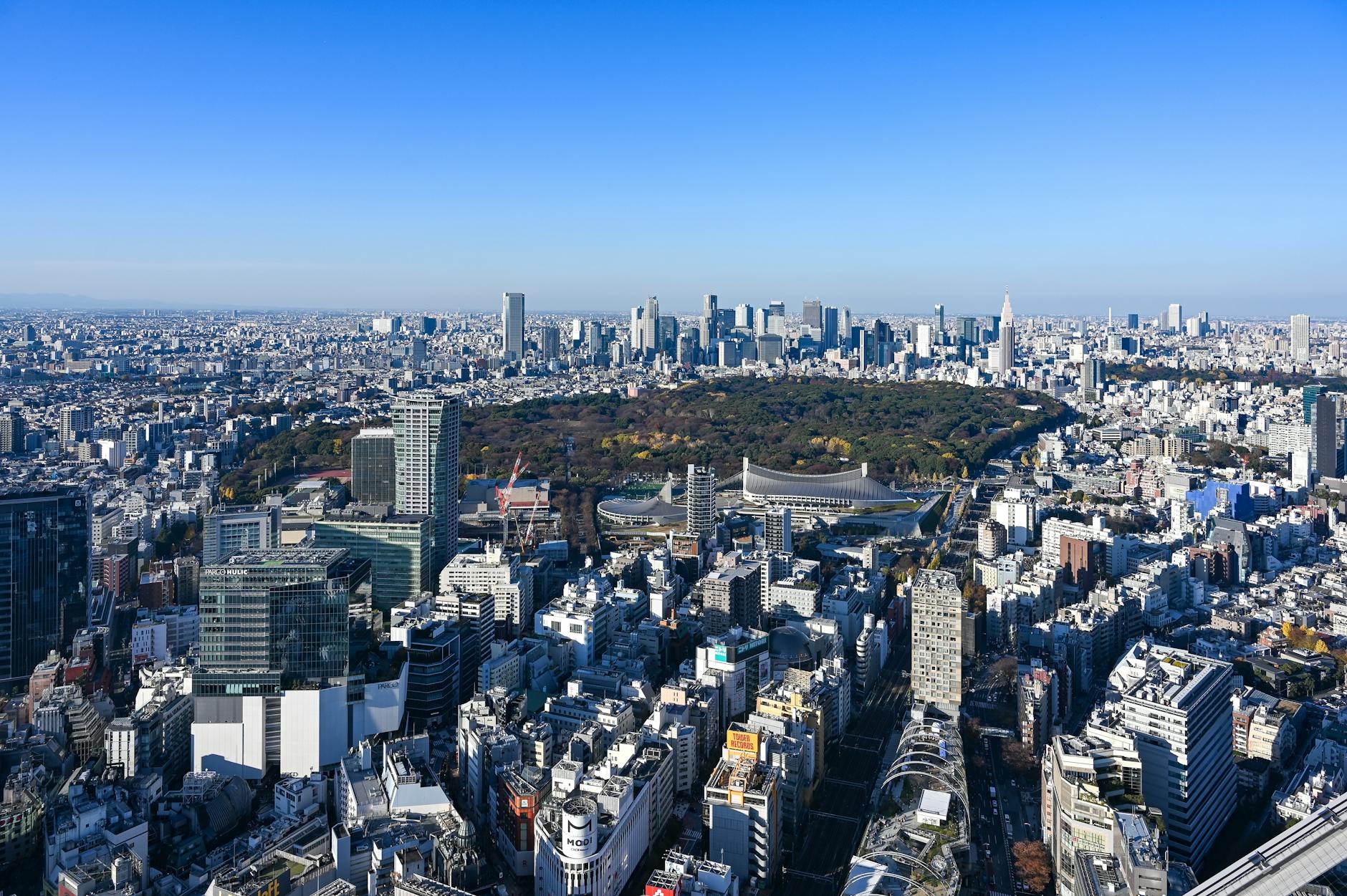
How Many Days Do You Need in Tokyo?
The first decision in planning your trip is how long to stay. Tokyo rewards both short visits and extended stays, but the ideal duration depends on your travel style and what you want to experience.
3 days: Enough to hit the essential highlights — Shibuya Crossing, Senso-ji Temple in Asakusa, Meiji Shrine in Harajuku, the Shinjuku nightlife scene, and one or two great meals. You’ll feel rushed, but you’ll see the greatest hits. This works if Tokyo is part of a larger Japan itinerary.
5 days (recommended for first-timers): The sweet spot. Five days gives you time to explore 4-5 neighborhoods at a comfortable pace, enjoy long meals without clock-watching, visit a day trip destination like Kamakura or Hakone, and still have breathing room for spontaneous discoveries. Most first-time visitors find this is the right balance between seeing enough and not burning out.
7 days: The ideal for a deep-dive experience. With a full week, you can explore lesser-known neighborhoods like Shimokitazawa, Yanaka, and Koenji. You can take two day trips — perhaps Mount Fuji and Kamakura. You’ll have time for a tea ceremony, a cooking class, and a proper night out in Golden Gai. Seven days also lets you experience the rhythm of the city beyond tourist mode.
10+ days: If you have the time, extending to 10 days lets you combine Tokyo with Kyoto, Osaka, or a multi-day excursion to the Japanese Alps. At this point, consider the Tokyo itinerary options we’ve mapped out for every trip length.
A practical note on pacing: Tokyo involves a lot of walking. The average tourist walks 10-15 miles per day between neighborhoods, temples, markets, and train stations. Build in at least one slower-paced day for every three active days to avoid burnout.
Best Time to Visit Tokyo: A Season-by-Season Breakdown
Tokyo is a year-round destination, but each season delivers a fundamentally different experience. Your choice of when to go affects crowds, prices, weather, and what activities are available.
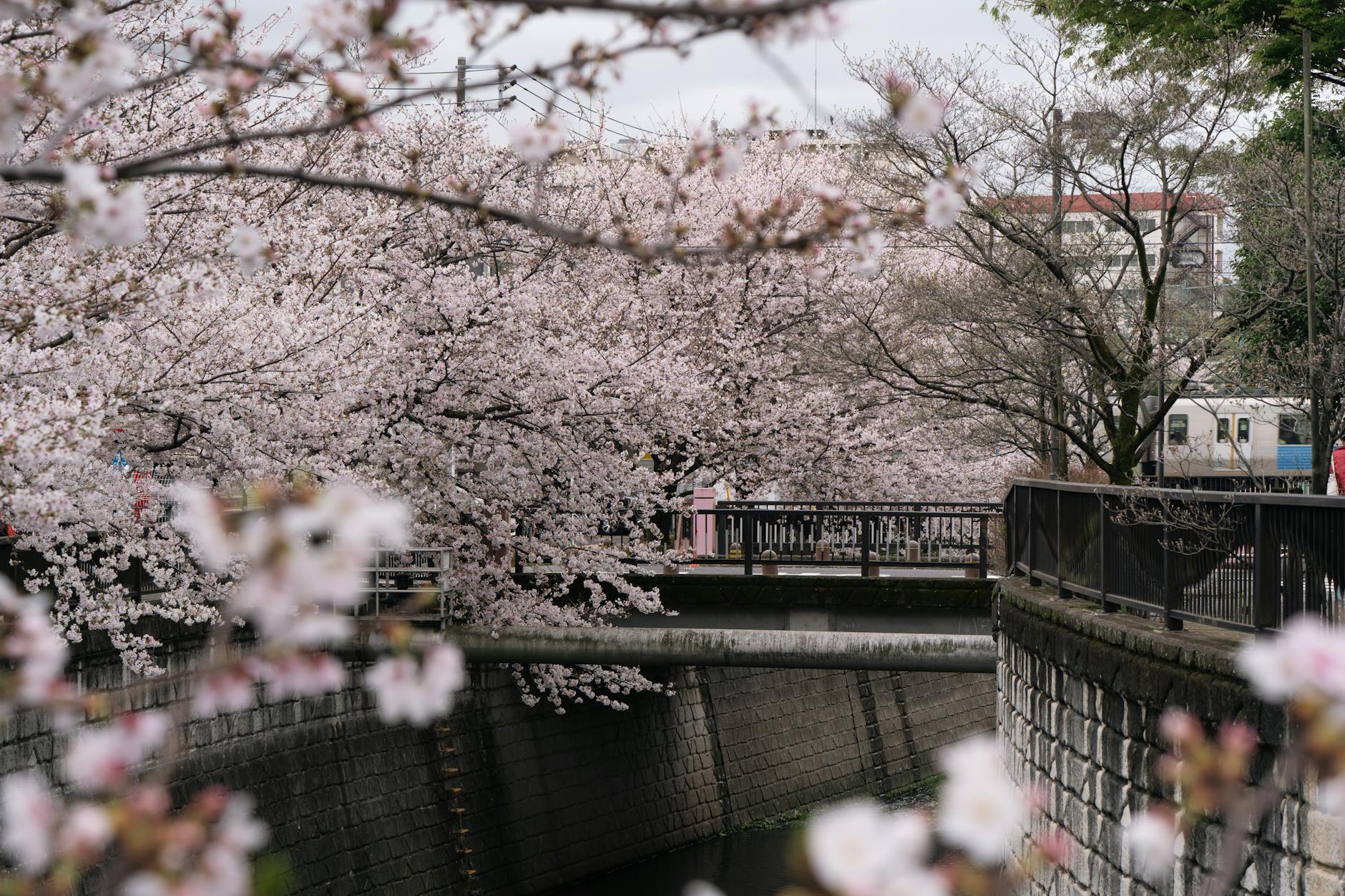
Spring (March–May): The most popular season, driven by cherry blossom (sakura) season which typically peaks in late March to mid-April. Temperatures range from 10–22°C (50–72°F), making it comfortable for walking. The downside: this is peak tourist season with higher hotel prices and larger crowds at popular spots. If visiting in spring, book accommodation 2-3 months in advance. May is an excellent shoulder option — wisteria blooms replace cherry blossoms, and crowds thin noticeably after Golden Week (late April–early May).
Summer (June–August): Hot and humid with temperatures reaching 30–35°C (86–95°F) and high humidity. June brings the rainy season (tsuyu), with frequent downpours through mid-July. However, summer is matsuri (festival) season — fireworks shows light up the skies every weekend, and neighborhood festivals fill the streets with food stalls and traditional performances. Hotel prices are moderate outside of Obon week (mid-August). If you can handle the heat, summer is vibrant and lively.
Autumn (September–November): Many seasoned Tokyo travelers consider autumn the best season. Temperatures cool to a pleasant 15–25°C (59–77°F), humidity drops, skies turn crisp and clear, and autumn foliage (koyo) paints parks and temple gardens in reds and golds from mid-November. Late September through October offers arguably the best weather of the year. Crowds are moderate, and prices sit between summer and spring peaks.
Winter (December–February): Cold but rarely below freezing, with temperatures of 2–12°C (36–54°F) and minimal rainfall. Winter delivers the lowest prices and smallest crowds of the year. Tokyo’s illumination season transforms neighborhoods with spectacular light displays from November through February. New Year (Oshogatsu) is a deeply cultural time to visit — shrines overflow with locals making their first temple visit (hatsumode) — but many businesses close December 31–January 3. For the budget-conscious traveler who doesn’t mind cold weather, winter is the best value season.
How Much Does a Trip to Tokyo Actually Cost?
Tokyo has a reputation for being expensive, but the reality is more nuanced. The weak Japanese yen (hovering around 155–160 JPY per 1 USD as of early 2026) means Western travelers get significantly more for their money than they did even five years ago. Here’s what to realistically budget based on travel style:
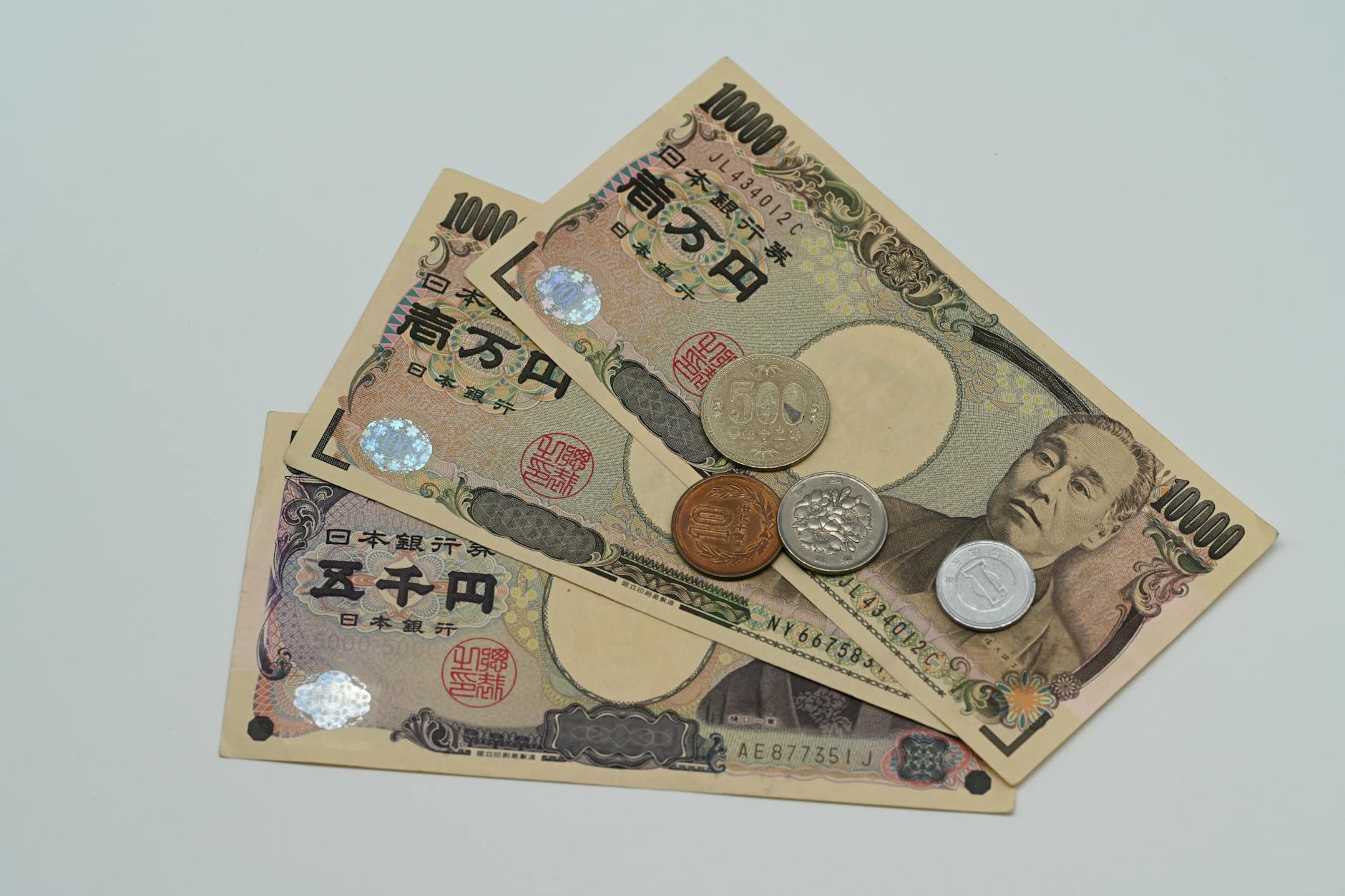
Budget Traveler: ¥8,000–15,000/day ($50–95 USD)
Staying in hostels (¥3,000–5,000/night), eating at convenience stores and standing ramen shops (¥300–800/meal), and using a subway day pass (¥600–1,500). Tokyo is one of the few world-class cities where you can eat incredibly well for under $5 — a bowl of exceptional ramen costs ¥800–1,200, convenience store onigiri and bento boxes are ¥150–600, and standing soba shops serve handmade noodles for ¥400. Many of Tokyo’s best attractions are free: shrines, temple grounds, Meiji Jingu, Yoyogi Park, the Tokyo Metropolitan Government Building observation deck, and exploring neighborhoods on foot.
Mid-Range Traveler: ¥20,000–35,000/day ($125–220 USD)
Business hotels or mid-range stays (¥10,000–20,000/night), sit-down restaurant meals including izakaya dinners (¥1,500–3,000/meal), a mix of paid attractions and free experiences, and comfortable transit use. This is the sweet spot for most visitors — you can enjoy excellent sushi, explore paid museums and gardens, take a day trip, and stay in clean, comfortable accommodation near a major station.
Luxury Traveler: ¥50,000+/day ($315+ USD)
Upscale hotels (¥30,000–80,000+/night), Michelin-starred dining or premium omakase experiences (¥10,000–30,000+/meal), private tours, and taxi use. Tokyo offers world-class luxury — the city has more Michelin-starred restaurants than any other city on Earth. A night at the Park Hyatt (yes, the Lost in Translation hotel) or the Aman Tokyo delivers an experience that rivals anything in Paris or New York at a fraction of the price thanks to the favorable exchange rate.
Hidden Costs to Budget For
Several costs catch travelers off guard. Japan’s departure tax is ¥1,000 (included in your airline ticket). Hotel taxes vary by city — Tokyo charges ¥100–200/night for rooms under ¥15,000 and more for higher-priced stays. Some temples charge admission (typically ¥300–600). Luggage storage at train stations costs ¥300–800 per locker depending on size. And while tipping is not practiced in Japan (and can actually be considered rude), some high-end restaurants add a service charge of 10-15%.
For a complete budget breakdown with cost-saving strategies, see our Tokyo Budget Travel Guide.
Choosing Where to Stay: Tokyo’s Best Neighborhoods for Visitors
Where you base yourself in Tokyo dramatically shapes your experience. Each neighborhood has a distinct personality, and the right choice depends on your interests, budget, and travel style. Here’s a quick breakdown of the top areas for tourists:
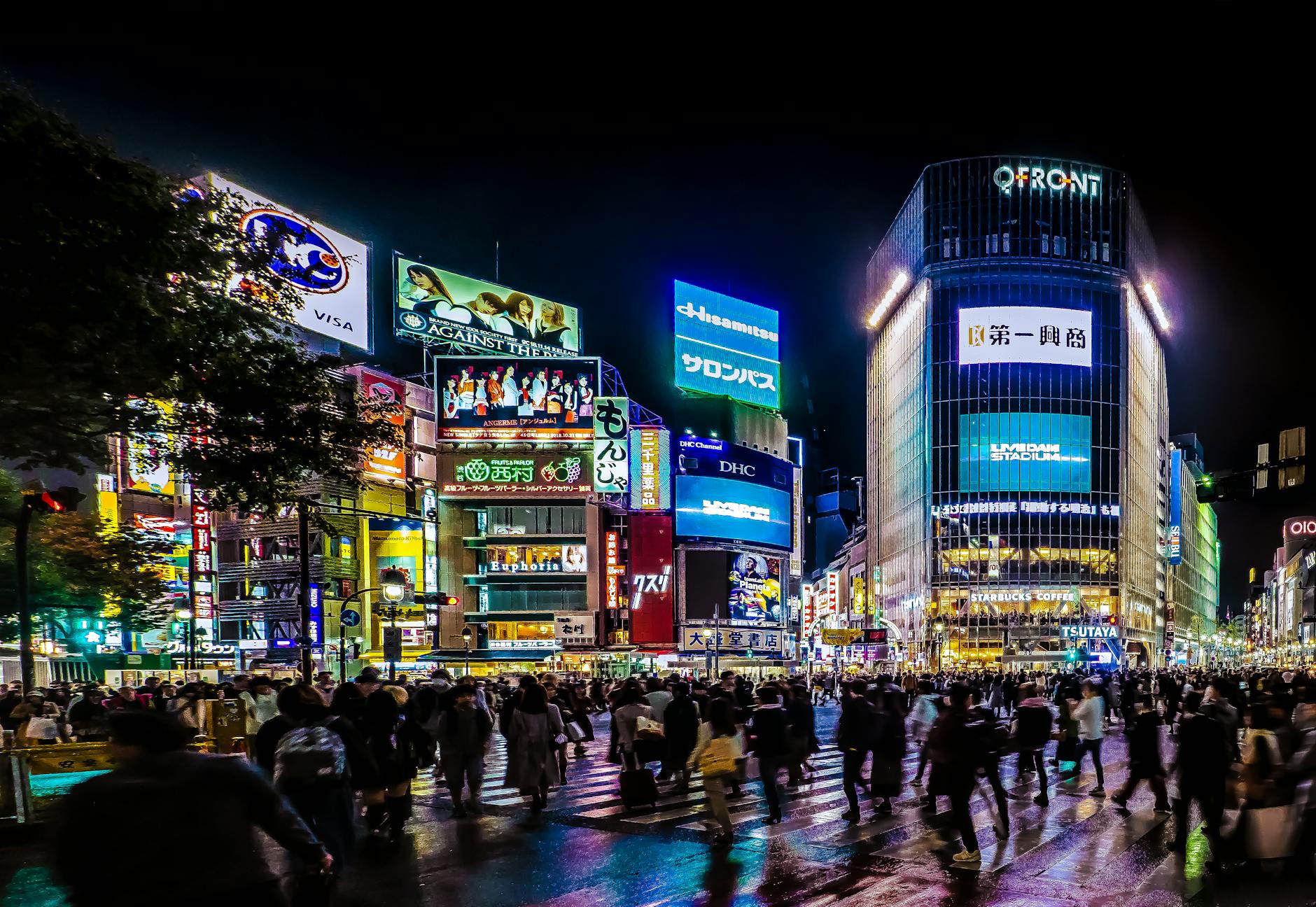
Shinjuku is Tokyo’s main transportation hub and the most practical base for first-time visitors. Shinjuku Station connects to virtually every part of the city and beyond. The neighborhood splits into west (skyscrapers, hotels, business district) and east (entertainment, restaurants, Kabukicho nightlife, Golden Gai). Mid-range to upscale accommodation is plentiful, and you’ll never struggle to find something to eat at any hour. If you can only pick one base, pick Shinjuku.
Shibuya is younger, trendier, and more fashion-forward. Famous for the iconic Shibuya Crossing, this area is walkable to Harajuku and Omotesando, offering excellent shopping, cafes, and nightlife. Accommodation tends to be slightly pricier than Shinjuku but the atmosphere is more vibrant and cosmopolitan.
Asakusa is old-world Tokyo. Home to Senso-ji Temple, traditional craft shops, and a more relaxed atmosphere, Asakusa is ideal for travelers who prioritize culture and history over nightlife. Hotels here tend to be more affordable, and several excellent ryokan (traditional Japanese inns) operate in the area. The trade-off: it’s further from the western neighborhoods like Shinjuku and Shibuya (about 30-40 minutes by subway).
Ginza is Tokyo’s luxury district — high-end department stores, art galleries, Michelin-starred restaurants, and upscale hotels. It’s centrally located with easy access to Tokyo Station (useful for Shinkansen bullet trains and the airport). Best for travelers who prioritize elegance and fine dining.
Ueno is an excellent budget-friendly option with easy access to Tokyo’s museum district, Ueno Park, and Ameyoko market. It’s also a practical choice for day trips since Ueno Station serves as a Shinkansen stop.
For a deep dive into all of Tokyo’s neighborhoods, what each offers, and which suits your travel style, explore our complete Tokyo Neighborhoods Guide.
Accommodation Types: Hotels, Ryokan, Capsules & More
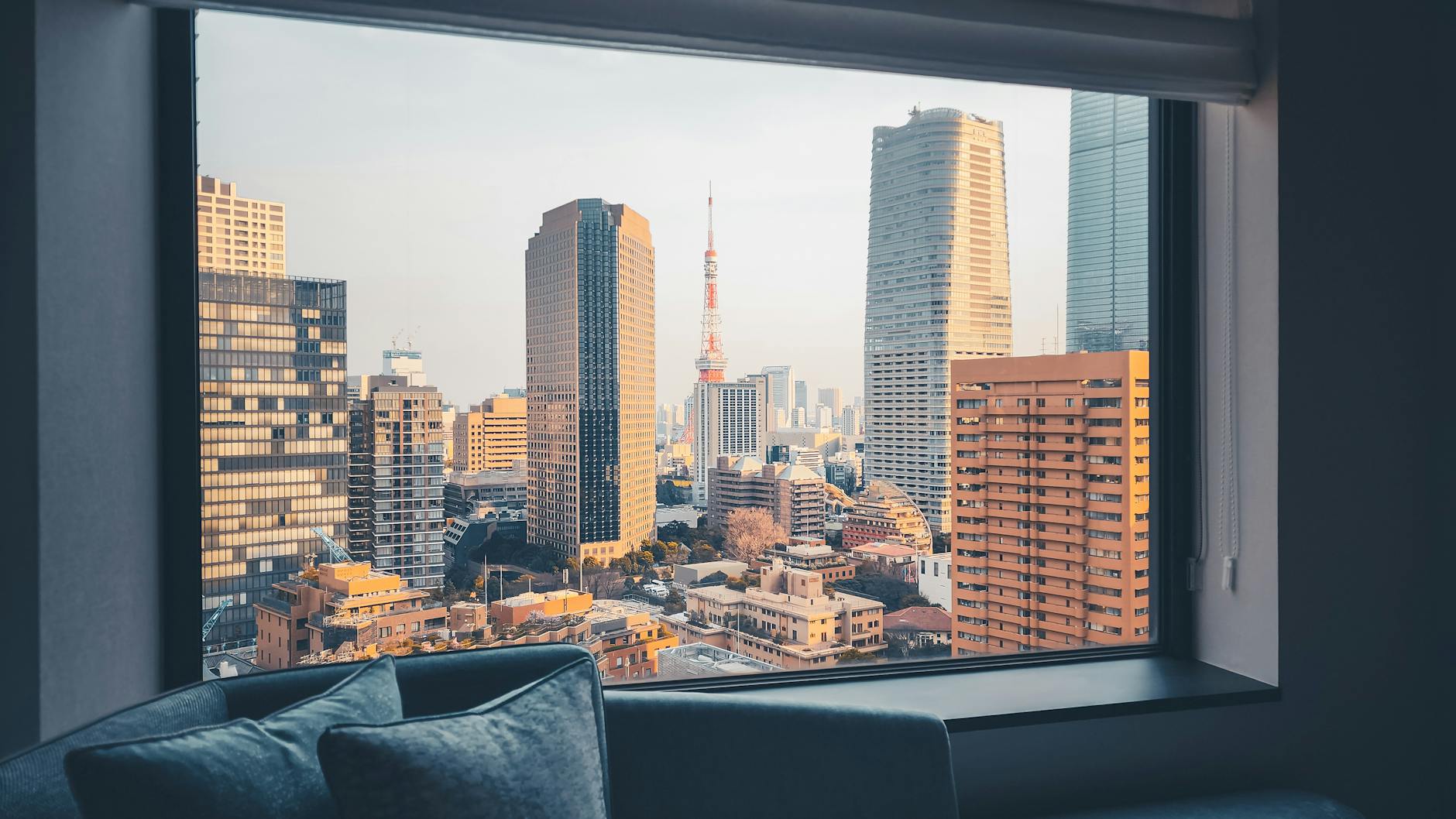
Tokyo offers accommodation types you won’t find anywhere else in the world. Understanding your options helps you book the right fit.
Business Hotels are the backbone of Tokyo’s accommodation scene. Chains like Toyoko Inn, APA Hotels, and Dormy Inn offer small but spotlessly clean rooms (typically 12-18 square meters) near major stations for ¥6,000–15,000/night. They almost always include free WiFi, a coin laundry, and sometimes a complimentary breakfast. The rooms are compact by Western standards — that’s normal in Tokyo, not a sign of a bad hotel.
Ryokan (traditional Japanese inns) offer a completely different experience: tatami-mat rooms, futon bedding laid out by staff, communal or private onsen (hot spring) baths, and multi-course kaiseki dinners. Staying in a ryokan at least once is one of the most memorable things you can do in Japan. In Tokyo, expect to pay ¥15,000–40,000/night for a quality ryokan experience. Specific etiquette applies — shoes off at the entrance, yukata (robe) wear inside the inn, and bathing rules at the onsen.
Capsule Hotels started as a novelty but have evolved into a legitimate budget option with modern design-forward pods. Expect a sleeping capsule (about 1×1×2 meters) with a mattress, reading light, power outlets, and sometimes a small TV. Shared bathrooms and lounge areas are the norm. Prices range from ¥2,500–5,000/night. Modern capsule hotels like Nine Hours and The Millennials offer a sleek, minimalist experience that’s genuinely comfortable for a night or two.
Hostels in Tokyo are exceptional by global standards — clean, well-designed, and often in great locations. Dormitory beds run ¥2,000–4,000/night, and private rooms ¥5,000–10,000. Many Tokyo hostels double as social hubs with communal kitchens, lounges, and organized events.
For accommodation reviews, neighborhood comparisons, and booking tips, see our full Where to Stay in Tokyo guide.
Getting Around Tokyo: Transportation Essentials
Tokyo’s public transportation system is the best in the world — reliable, clean, affordable, and it runs exactly on time. But it can also be intimidating on day one. Here’s everything you need to know.
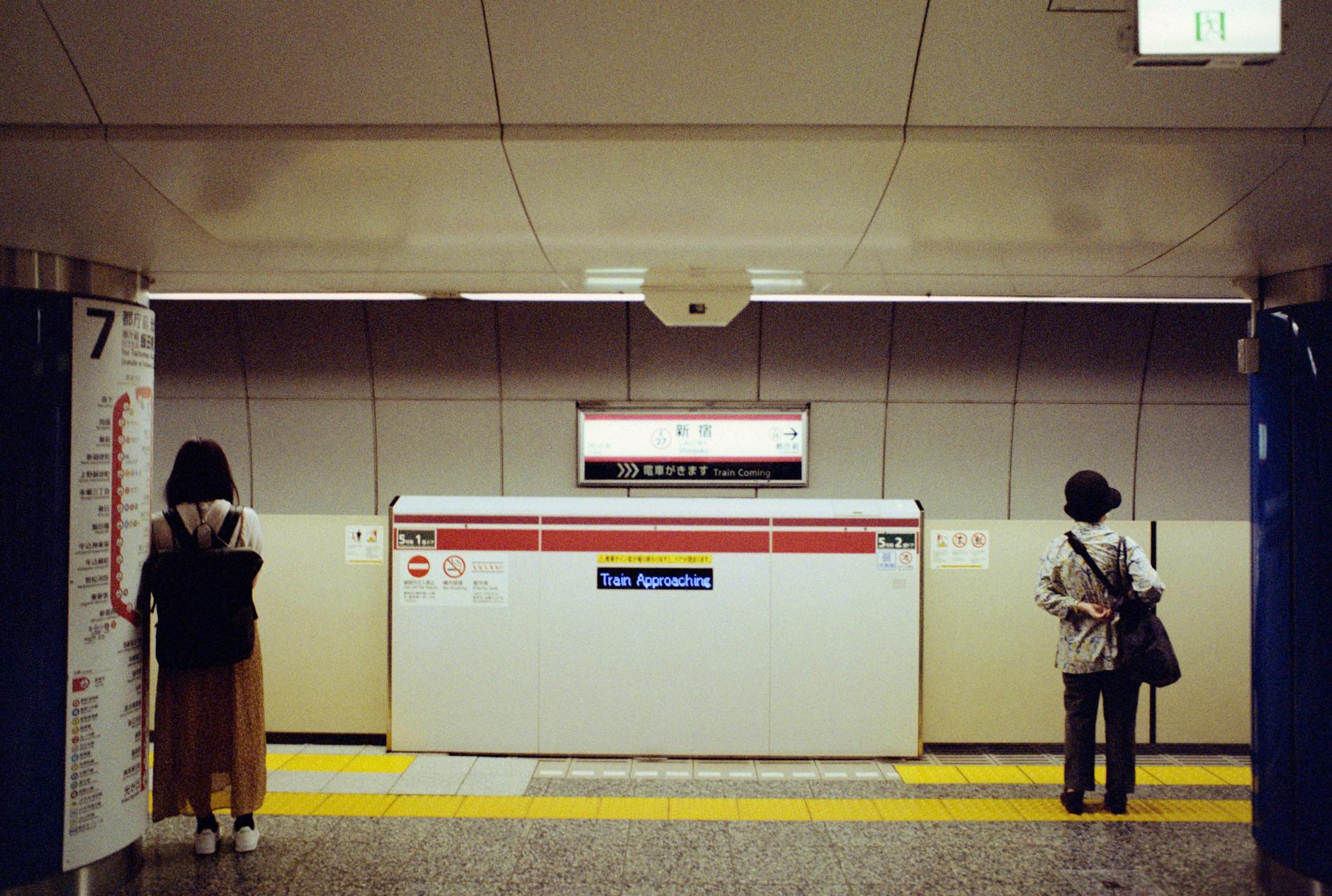
Get an IC Card Immediately
Your first task upon arriving in Tokyo is getting an IC card — either Suica or PASMO. These rechargeable smart cards work on virtually every train, bus, and subway line in Tokyo (and most of Japan). Simply tap and go at the gates; the correct fare is deducted automatically. You can also use IC cards to pay at convenience stores, vending machines, and many restaurants.
As of 2025, the Welcome Suica Mobile app is available for iPhone users with Apple Pay, letting you set up your IC card before you even land. Android users and those who prefer a physical card can purchase one at any major station for a ¥500 deposit plus whatever balance you load (start with ¥2,000–3,000).
Understanding Tokyo’s Rail System
Tokyo’s trains are operated by multiple companies, but for tourists, the key ones are Tokyo Metro (subway, 9 lines), Toei (subway, 4 lines), and JR East (above-ground trains, including the Yamanote Line). The Yamanote Line is the most important train for tourists — it’s a loop that connects Shinjuku, Shibuya, Harajuku, Tokyo Station, Akihabara, Ueno, and Ikebukuro. Learn this one line and you can reach most major areas.
A single subway ride costs ¥170–320 depending on distance. If you plan to ride more than 3-4 times per day, consider a Tokyo Subway Ticket — a 24-hour pass costs ¥800 (48-hour: ¥1,200, 72-hour: ¥1,500) and gives unlimited rides on all Tokyo Metro and Toei lines. This can save significant money on heavy sightseeing days.
JR Pass: Is It Worth It?
The Japan Rail Pass provides unlimited travel on JR trains nationwide, including the Shinkansen (bullet train). A 7-day pass costs ¥50,000 (~$315 USD). It’s only worth buying if you’re taking at least one long-distance return trip outside Tokyo (e.g., Tokyo to Kyoto round-trip alone costs ¥27,000+). If you’re staying exclusively in Tokyo, skip the JR Pass and use IC cards plus day passes instead. For a detailed comparison, read our Tokyo Transportation Guide.
Getting from the Airport
Narita Airport (NRT): Located 60-90 minutes from central Tokyo. The Narita Express (N’EX) costs ¥3,070 and runs directly to Tokyo Station, Shibuya, and Shinjuku. The Access Express/Keisei Skyliner (¥2,520) reaches Ueno in 41 minutes. Budget option: the Access Express/regular Keisei line takes about 90 minutes for ¥1,270.
Haneda Airport (HND): Much closer to the city — 20-45 minutes depending on your destination. The Tokyo Monorail (¥500) connects to JR at Hamamatsucho Station. Keikyu Line trains (¥300-500) reach Shinagawa, Shimbashi, and Asakusa. Haneda is the more convenient airport if you have a choice.
Visa Requirements & Entry Procedures
Japan offers visa-free entry to citizens of 73 countries and regions, including the United States, Canada, United Kingdom, European Union, Australia, and most Southeast Asian nations. Standard visa-free stays allow up to 90 days — more than enough for any tourist visit.
What you need to enter Japan: A passport valid for the duration of your stay (Japan doesn’t require 6 months’ validity), a return or onward ticket, proof of accommodation, and sufficient funds for your stay. All visitors provide fingerprints and a facial photograph at immigration — this is standard procedure, not a secondary screening.
Visit Japan Web: Complete It Before You Fly
Visit Japan Web (vjw.digital.go.jp) is Japan’s digital immigration and customs platform. Completing your registration before departure saves significant time at immigration. Register your personal information, passport details, travel itinerary, and customs declaration online. At the airport, you’ll scan QR codes generated by the platform instead of filling out paper forms. Complete the registration at least 6 hours before your flight to ensure processing. This system also enables tax-free shopping QR codes once you’re in Japan.
Important 2026 note: Japan’s electronic travel authorization system (JESTA, similar to the US ESTA) is planned for implementation by the end of fiscal year 2028. As of 2026, it is not yet required — standard visa-free entry applies.
Eating in Tokyo: A First-Timer’s Food Strategy
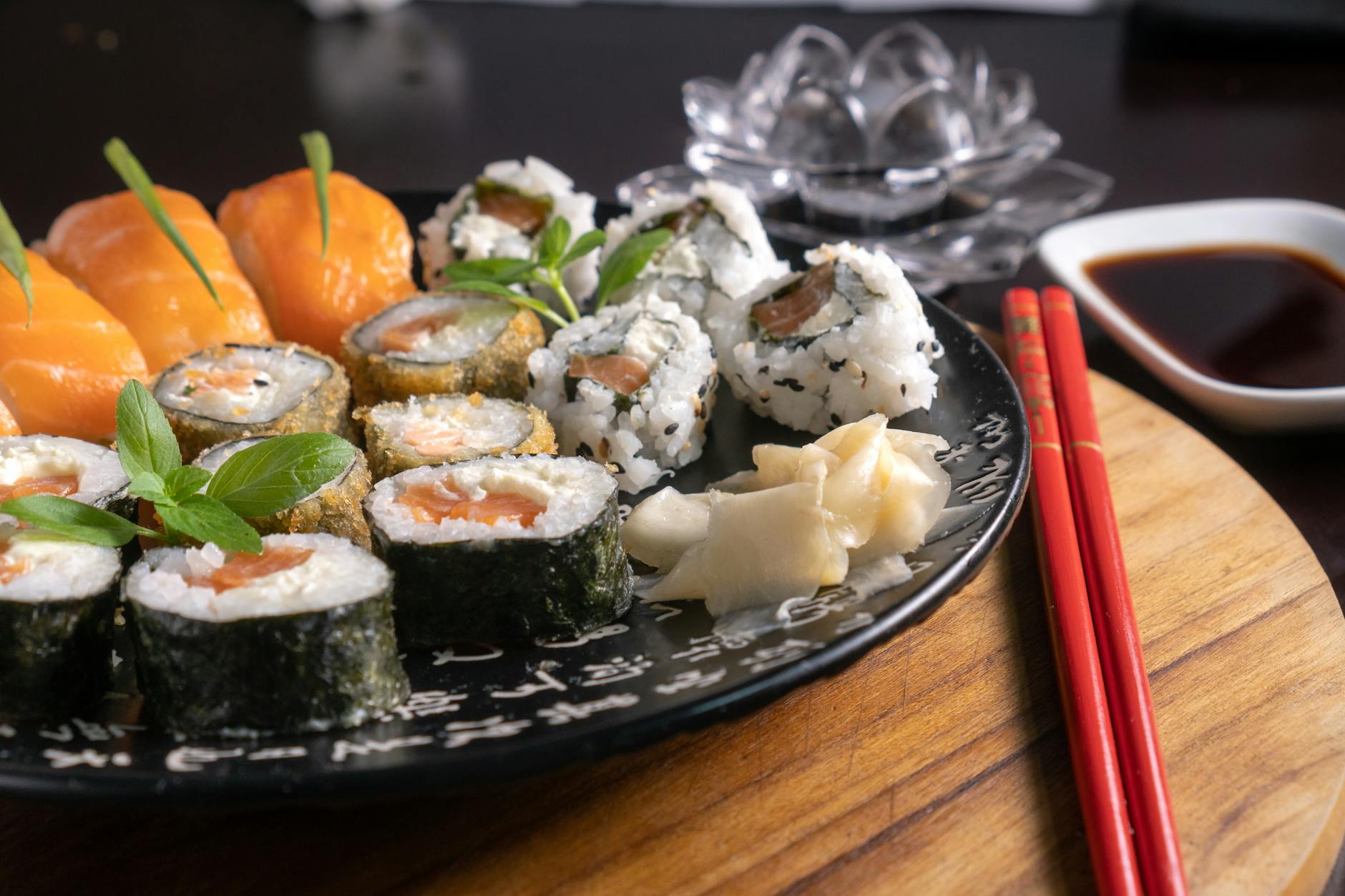
Tokyo is arguably the greatest food city on Earth. With over 160,000 restaurants and more Michelin stars than Paris and New York combined, the question isn’t whether you’ll eat well — it’s how to navigate the overwhelming number of options.
What to Eat
Ramen is the quintessential Tokyo meal. Styles vary by neighborhood: rich tonkotsu (pork bone) broth, clean shoyu (soy sauce) style, or the increasingly popular tsukemen (dipping noodles). A bowl costs ¥800–1,200 at most shops. Expect to queue — the best shops have lines, especially at lunch.
Sushi ranges from ¥100-per-plate conveyor belt joints (kaiten-zushi) to ¥30,000+ omakase (chef’s choice) experiences. For quality mid-range sushi, budget ¥3,000–5,000 per person. Standing sushi bars near train stations offer excellent quality at lower prices.
Izakaya (Japanese pub-restaurants) are where locals eat after work. Expect small shared plates — yakitori (grilled chicken skewers), edamame, karaage (fried chicken), sashimi — paired with beer or highballs. Budget ¥2,000–4,000 per person for food and a few drinks. Izakaya are the best way to eat like a local.
Other must-try dishes: tempura (lightly battered fried vegetables and seafood, ¥1,000–2,000), tonkatsu (breaded deep-fried pork cutlet, ¥1,000–1,800), udon and soba noodles (¥400–900 at standing shops), and Japanese curry (¥700–1,000, a beloved comfort food).
Budget Eating Strategies
Tokyo’s convenience stores (konbini) are a legitimate food source — not a compromise. 7-Eleven, Lawson, and FamilyMart sell fresh onigiri (rice balls, ¥120–180), bento boxes (¥400–600), sandwiches, salads, and hot foods that rotate seasonally. Many travelers eat one konbini meal per day to save budget for a nicer sit-down dinner. Department store basement floors (depachika) offer exquisite prepared foods, often discounted 20-50% an hour before closing.
For our complete food guide covering every cuisine type, neighborhood food scenes, and specific restaurant recommendations, see the Tokyo Food & Dining Guide.
Cultural Etiquette: Essential Rules to Know
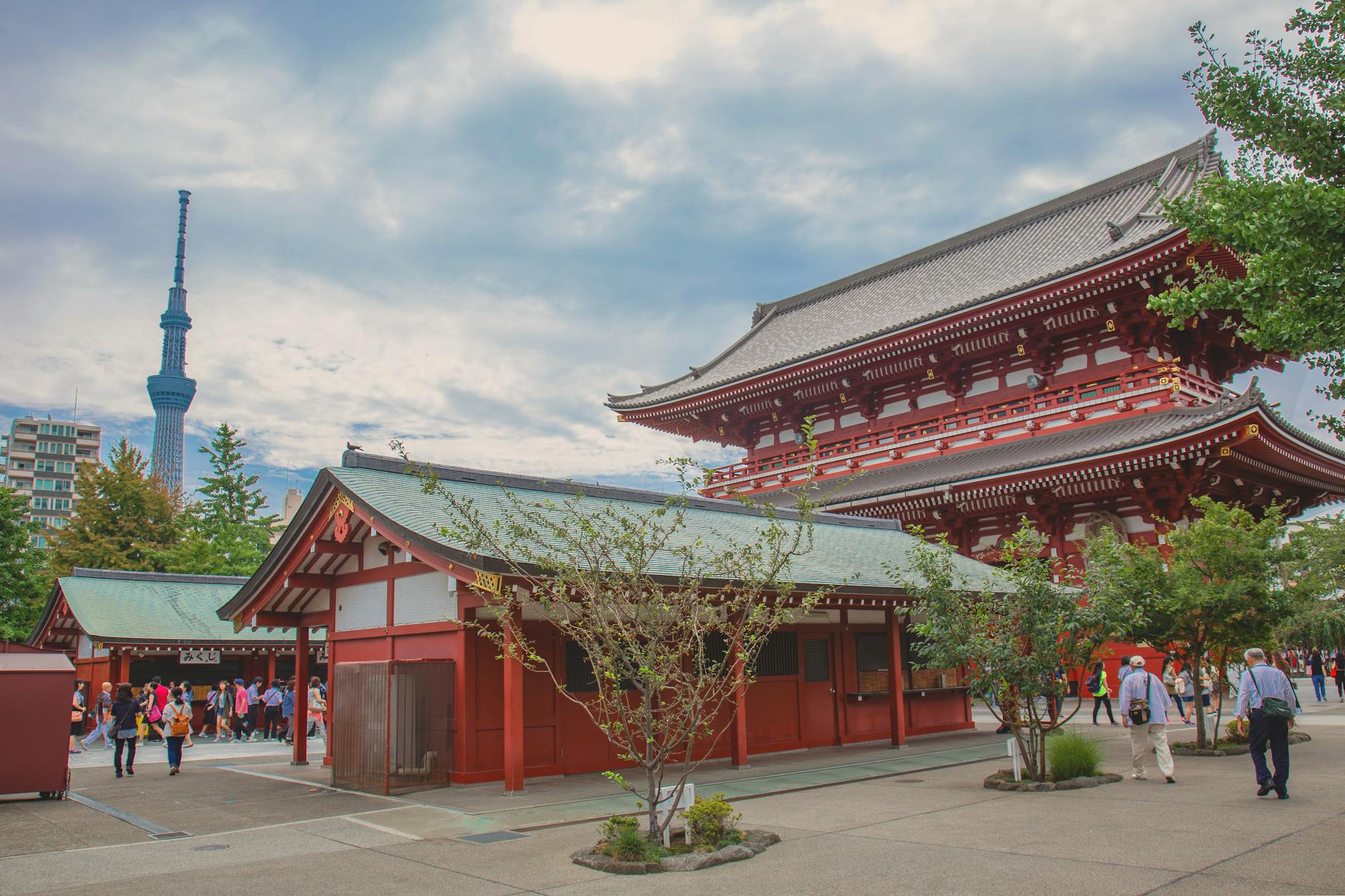
Japan is welcoming to tourists, and locals understand that visitors may not know every custom. But making an effort to follow basic etiquette earns genuine respect and often leads to warmer interactions.
Shoes: Remove shoes when entering homes, ryokan, many restaurants with tatami seating, temple interiors, and fitting rooms. Slip-on shoes are strongly recommended over lace-ups — you’ll remove them dozens of times.
Trains: Keep your phone on silent mode (manner mode) on all public transit. Don’t talk on the phone on trains. Avoid eating on local trains (it’s acceptable on long-distance Shinkansen). Queue on the left side of escalators in Tokyo (right side in Osaka), and let passengers exit before boarding.
Dining: Don’t tip — it’s not practiced anywhere in Japan and can cause confusion. Say “itadakimasu” (I humbly receive) before eating and “gochisousama deshita” (thank you for the meal) when finished. Slurping ramen and noodles is not only acceptable — it’s expected and considered a sign that you’re enjoying the food.
Temples and shrines: Bow slightly when passing through a torii gate. At shrine purification fountains, wash your left hand, then your right, then rinse your mouth (without drinking directly from the ladle). At temples, it’s customary to toss a coin (¥5 is traditional), bow twice, clap twice, make your wish, and bow once more.
General courtesies: Don’t blow your nose in public (step into a restroom). Don’t eat or drink while walking on the street. Always carry a small bag for your trash — public trash cans are rare in Tokyo. Speaking even a few words of Japanese (arigatou gozaimasu for thank you, sumimasen for excuse me) goes a long way.
For a deeper dive into cultural customs and how to prepare yourself, visit our Tokyo Culture & Traditions Guide.
Top Things to Do in Tokyo
Tokyo’s attractions span ancient temples, cutting-edge technology, world-class museums, and iconic urban experiences. Here’s a curated list of the essential experiences every visitor should prioritize:
Senso-ji Temple (Asakusa): Tokyo’s oldest temple (founded 645 AD) with the iconic Kaminarimon gate and Nakamise shopping street. Free to visit. Best in early morning before crowds arrive.
Meiji Shrine (Harajuku): A serene Shinto shrine surrounded by 170 acres of forest in the heart of the city. Free to visit. Pair with a walk down Takeshita Street for Harajuku’s youth culture and fashion scene.
Shibuya Crossing: The world’s busiest pedestrian intersection. Experience it from street level during rush hour, then head to the Shibuya Sky observation deck or Starbucks Reserve for an aerial view.
teamLab Borderless/Planets: Immersive digital art experiences that have become some of Tokyo’s most popular attractions. Book tickets online in advance — they frequently sell out. Budget ¥3,200–3,800 per person.
Tsukiji Outer Market: While the inner wholesale market moved to Toyosu, the outer market retains dozens of stalls selling fresh seafood, street food, Japanese knives, and kitchen supplies. Go hungry and eat your way through.
Shinjuku Gyoen: Tokyo’s most beautiful garden, combining Japanese, English, and French landscape styles across 58 hectares. Admission ¥500. Spectacular during cherry blossom and autumn foliage seasons.
Akihabara: The epicenter of otaku (geek) culture — multi-story electronics stores, anime merchandise shops, manga cafes, and gaming arcades. Even if you’re not into anime, the sensory overload is worth experiencing.
Tokyo Skytree or Tokyo Tower: Both offer spectacular city views. Skytree (634m) is taller with wider views; Tokyo Tower (333m) is more iconic and less crowded. Budget ¥2,100–3,100 for observation deck admission.
For the complete list of 50+ attractions with practical visit information, see our Best Things to Do in Tokyo guide.
Day Trips from Tokyo Worth Planning For
Tokyo’s position makes it an ideal launchpad for some of Japan’s most spectacular destinations. If you have 5+ days, work at least one day trip into your plan.
Kamakura (1 hour by train) — The former capital of Japan, home to the Great Buddha (Daibutsu), dozens of stunning temples, hiking trails between shrines, and a pleasant beach. Full day recommended. Pair with nearby Enoshima island for a longer excursion.
Hakone (1.5 hours by train) — Hot spring resort town with views of Mount Fuji, the Hakone Open-Air Museum, Lake Ashi pirate ships, and the Hakone Ropeway. The Hakone Free Pass (¥6,100) covers round-trip transport plus unlimited local buses, boats, and cable cars. A perfect introduction to onsen culture.
Mount Fuji / Kawaguchiko (2 hours by bus) — Japan’s iconic peak is visible from Tokyo on clear days, but visiting Lake Kawaguchiko brings you face-to-face with the mountain. Best views from November through February when skies are clearest. Highway buses from Shinjuku are the most efficient option.
Nikko (2 hours by train) — UNESCO World Heritage shrines, waterfalls, and autumn foliage that rival Kyoto. Toshogu Shrine, with its ornate gold carvings and the famous “see no evil, hear no evil, speak no evil” monkeys, is alone worth the trip.
For detailed day trip guides with transportation logistics, costs, and itineraries, see our Day Trips from Tokyo pillar guide.
Practical Logistics: WiFi, Money, Language & Safety
Internet & Connectivity
Staying connected in Tokyo is straightforward. The best option for most travelers is an eSIM — providers like Ubigi, Airalo, and Mobal offer Japan data plans starting around $5-15 for 1-5GB. Install before you fly and activate upon landing. For heavier data users, pocket WiFi rental devices are available at airports for ¥500–1,000/day and provide connectivity for multiple devices. Free WiFi exists at stations, convenience stores, and many restaurants, but it’s spotty and unreliable for navigation.
Money & Payments
Japan has modernized payment options significantly, but cash is still essential. Many smaller restaurants, street food stalls, and local shops accept only cash. Withdraw yen from 7-Eleven ATMs (available 24/7) or Japan Post ATMs using your debit or credit card — these are the most reliable ATMs for international cards. Credit cards (Visa/Mastercard) are accepted at major hotels, department stores, and chain restaurants. Carry at least ¥10,000–20,000 in cash at all times.
Tipping does not exist in Japan. Don’t leave tips at restaurants, don’t tip taxi drivers, and don’t tip hotel staff. The price listed is the price you pay. In some cases, leaving money on the table may cause staff to chase you down the street thinking you forgot your change.
Language
You don’t need to speak Japanese to navigate Tokyo, but the effort is appreciated. Most train stations have English signage, Google Translate’s camera function handles restaurant menus, and younger Japanese are increasingly comfortable with basic English. Key phrases to learn: “sumimasen” (excuse me/sorry), “arigatou gozaimasu” (thank you very much), “kore kudasai” (this one please), and “eigo no menu arimasu ka?” (do you have an English menu?).
Safety
Tokyo is one of the safest major cities in the world. Violent crime against tourists is extraordinarily rare. Women can walk alone at night in most neighborhoods without concern. The biggest “safety” issues tourists face are being overcharged at certain Kabukicho establishments (avoid touts who approach you on the street) and cycling-related accidents. Natural disaster preparedness is worth understanding — Japan experiences earthquakes regularly. Download the Safety Tips app (Japan Tourism Agency) for earthquake alerts in English.
Your Pre-Trip Checklist: What to Arrange and When
Timing your bookings right can save significant money and prevent sold-out disappointments. Here’s the timeline we recommend:
3-6 months before: Book flights (prices increase significantly within 60 days of departure). Research neighborhoods and decide where to base yourself. If traveling during cherry blossom season (late March–mid April) or Golden Week (late April–early May), book accommodation now — popular hotels sell out months ahead.
2-3 months before: Book accommodation. Reserve any must-do experiences that require advance booking: teamLab, Ghibli Museum tickets (released on the 10th of the month before), Michelin-starred restaurants, sumo wrestling tournaments (three per year in Tokyo). Purchase a JR Pass if your itinerary warrants one.
1-2 weeks before: Complete Visit Japan Web registration. Purchase and install an eSIM. Download essential apps: Google Maps (download Tokyo offline maps), Google Translate (download Japanese offline pack), Navitime or Japan Transit Planner (for train navigation), and the Safety Tips earthquake alert app. Notify your bank of international travel to avoid card blocks.
The day before departure: Pack a small day bag separate from your main luggage (Tokyo stations aren’t always luggage-friendly). Confirm your airport transfer plan. Screenshot your hotel address in Japanese (taxi drivers and locals may not read English addresses). Charge all devices and portable battery packs.
Your First 4 Hours in Tokyo: A Step-by-Step Landing Guide
Arriving in a new city can be disorienting, especially after a long flight. Here’s exactly what to do when you land in Tokyo:
Step 1: Immigration & Customs — Have your Visit Japan Web QR codes ready on your phone. Follow signs to immigration, present your passport and QR codes, provide biometric scans. Collect luggage and proceed through customs (also QR-code scannable). Total time: 20-60 minutes depending on queue length.
Step 2: Get Connected — If you haven’t already activated your eSIM, do so now using airport WiFi. If renting a pocket WiFi device, pick it up from the designated counter (usually in the arrivals hall).
Step 3: Get Cash & an IC Card — Withdraw yen from a 7-Eleven ATM in the airport terminal. Then purchase or activate your Suica/PASMO card at a rail ticket machine. Load ¥2,000–3,000 to start.
Step 4: Take the Train to Your Hotel — Use the Narita Express, Skyliner, or Keikyu Line (depending on your airport) to reach central Tokyo. Follow Google Maps or Japan Transit Planner for the specific route to your hotel’s nearest station. Most hotels offer luggage storage if you arrive before check-in time.
Within 90 minutes of landing, you’ll be connected, have cash, have a transit card, and be on a train into the city. Tokyo just became navigable.
Frequently Asked Questions About Planning a Tokyo Trip
Is Tokyo expensive to visit?
Less than you think, especially with the weak yen (155-160 JPY per USD in 2026). Budget travelers can comfortably spend $50-95 per day including accommodation, food, and transport. Tokyo’s convenience store food, standing ramen shops, and free shrines make quality experiences accessible at every budget level. The city is significantly cheaper than London, Paris, or New York for equivalent experiences.
Do I need to speak Japanese to visit Tokyo?
No. Tokyo’s transportation system has comprehensive English signage, Google Translate’s camera mode handles menus and signs in real-time, and most tourist-area businesses can handle basic English communication. That said, learning 5-10 common phrases makes a meaningful difference in daily interactions and shows respect for the culture.
Is Tokyo safe for solo travelers?
Extremely safe. Tokyo consistently ranks among the world’s safest major cities. Solo female travelers, in particular, report feeling very safe walking at night in most neighborhoods. The main risks are limited to certain entertainment districts where touts may try to lure tourists into overpriced bars — a simple “no thank you” and walking away resolves this.
What is the best month to visit Tokyo?
October and November offer the best combination of comfortable weather, manageable crowds, and autumn foliage. Late March to mid-April is magical for cherry blossoms but comes with peak crowds and prices. For budget travelers, January and February deliver the lowest prices. There’s no bad time — each season offers a distinct Tokyo experience.
Should I buy a JR Pass for Tokyo only?
No. The Japan Rail Pass only makes financial sense if you’re making at least one long-distance round trip outside Tokyo (e.g., Tokyo to Kyoto). For Tokyo-only travel, use an IC card (Suica/PASMO) for daily rides and Tokyo Subway Tickets (24/48/72-hour passes) for heavy sightseeing days. This combination is cheaper and more flexible than a JR Pass.
This guide is part of our comprehensive TokyoTourism.org resource library. For deep dives into every topic covered here, explore our pillar guides on neighborhoods, transportation, food and dining, accommodation, attractions, and itineraries. Planning your trip starts here — bookmark this page and come back as your plans take shape.