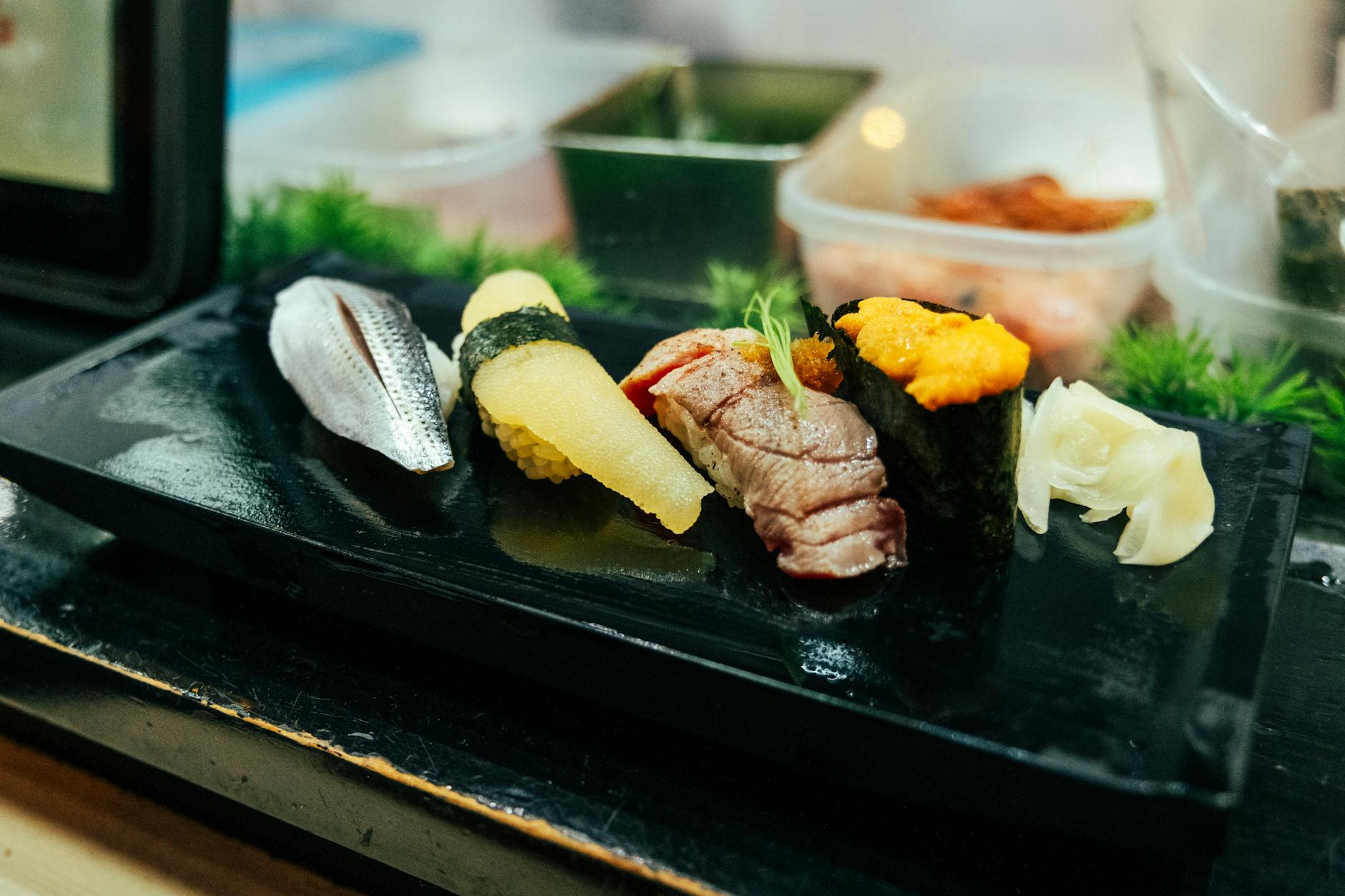
This tokyo food guide is your complete roadmap to one of the greatest culinary cities on Earth. Tokyo has more Michelin-starred restaurants than any other city in the world — over 200 starred establishments as of 2026, more than Paris and New York City combined. But here’s what makes Tokyo truly extraordinary: the food at a ¥900 ramen counter can be just as transcendent as a ¥50,000 omakase dinner.
Tokyo’s food culture is built on decades of obsessive craftsmanship. Chefs often spend their entire careers perfecting a single dish — one type of sushi, one style of tempura, one ramen recipe. This dedication means that even the most casual neighborhood joint serves food at a level that would earn awards in other cities. Whether you’re eating at a standing soba counter during your morning commute or splurging on kaiseki in Ginza, the quality floor in Tokyo is astonishingly high.
This guide covers everything from must-try dishes and the best dining neighborhoods to practical strategies for booking restaurants, navigating menus, and eating well on any budget. We’ve included 2026 updates on new Michelin stars, emerging food trends, and current prices so you can plan with confidence.
12 Must-Try Dishes in Tokyo
Tokyo’s culinary landscape spans far more than sushi and ramen. Here are the essential dishes every visitor should experience, with realistic price ranges and where to find the best versions.
Sushi (寿司)
Tokyo is the undisputed global capital of sushi. The city offers every tier: from ¥100-per-plate conveyor belt chains (kaiten-zushi) to legendary omakase counters where a single meal costs ¥30,000–50,000. Mid-range counter sushi — the sweet spot for most visitors — runs ¥3,000–8,000 for a set of 8–12 pieces of nigiri with pristine seasonal fish. Neighborhoods to target: Ginza (high-end), Tsukiji Outer Market (tourist-friendly), and Koenji or Shimokitazawa for local favorites.
Ramen (ラーメン)
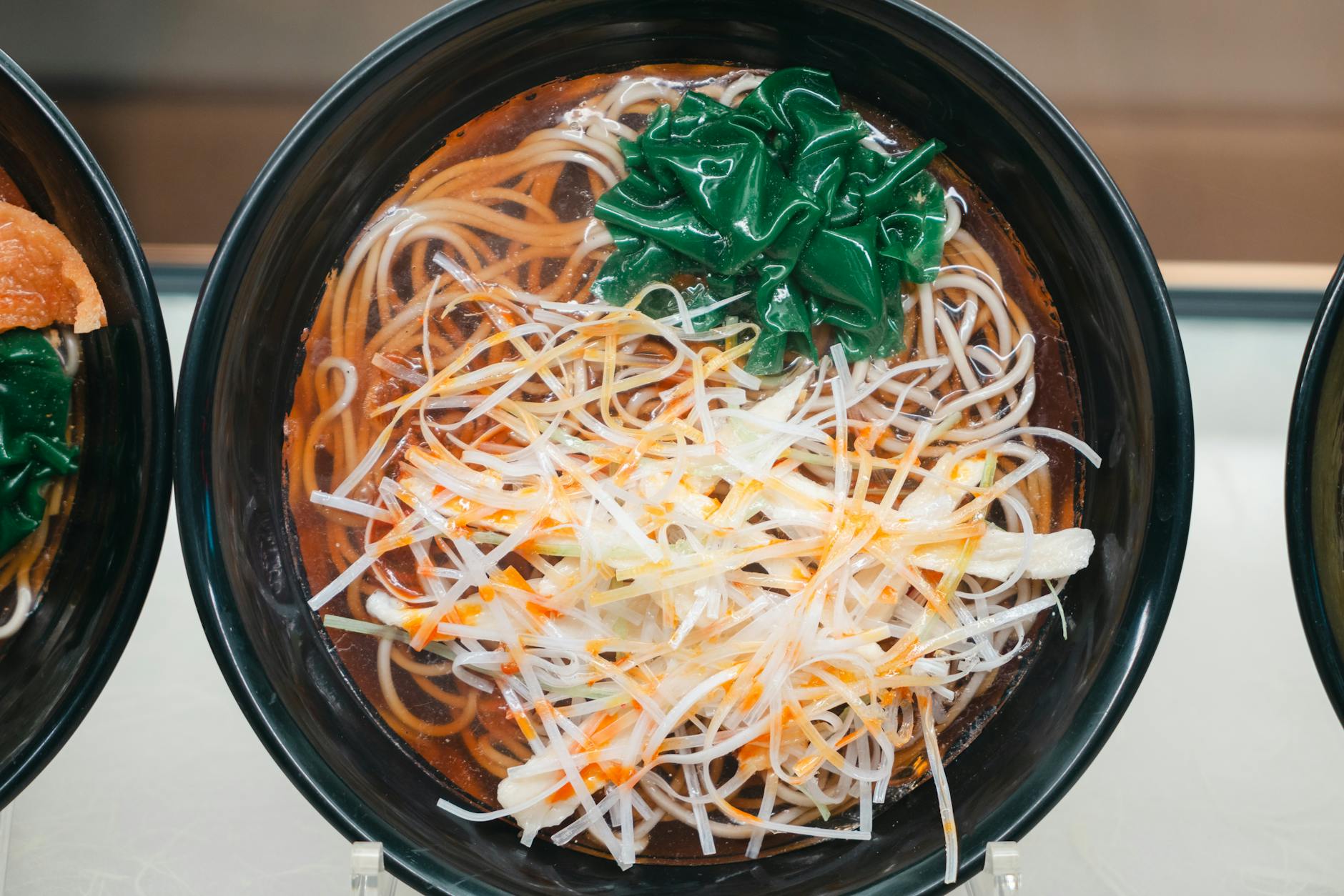
Tokyo’s ramen scene is a universe unto itself. The city’s signature style is shoyu (soy sauce) ramen — clear, deeply savory broth with thin noodles — but you’ll find every regional style here. Tonkotsu (rich pork bone) from Kyushu, miso ramen from Sapporo, and innovative tsukemen (dipping noodles) are all well represented. A bowl typically costs ¥800–1,200. Don’t miss Tokyo’s ramen yokocho (ramen alleys) in places like Tokyo Station’s Ramen Street, which houses eight acclaimed shops under one roof.
Tempura (天ぷら)
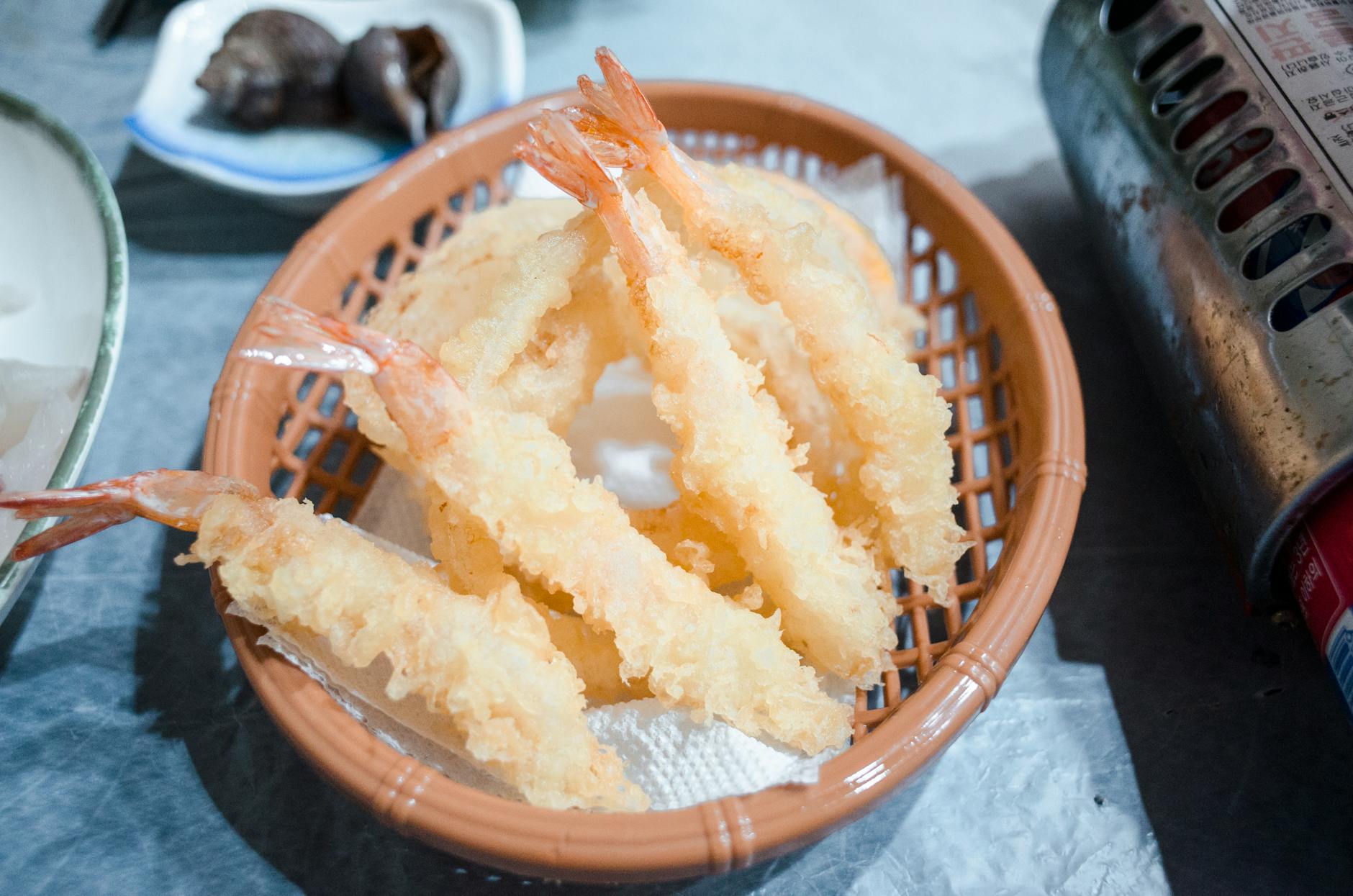
Light, crispy, and delicate — Tokyo-style tempura uses a thin batter and sesame oil for a refined crunch that shatters at the bite. At high-end counter restaurants in Nihonbashi and Ginza, a chef fries each piece to order and places it directly on your plate. Counter tempura runs ¥5,000–15,000 for a multi-course meal. For a budget-friendly version, look for tendon (tempura over rice) at casual shops for around ¥1,000–1,500.
Tonkatsu (とんかつ)
A thick-cut pork cutlet, breaded in panko and deep-fried to a golden, juicy perfection. Tokyo’s best tonkatsu shops use heritage breed pork like kurobuta (Berkshire) and age their meat for extra tenderness. A tonkatsu set meal with rice, cabbage, miso soup, and pickles costs ¥1,500–2,500 at top shops. Key areas: Takadanobaba, Meguro, and Ueno each have legendary tonkatsu institutions.
Yakitori (焼き鳥)
Charcoal-grilled chicken skewers elevated to an art form. At serious yakitori-ya, every part of the bird is used — from juicy thigh (momo) and crispy skin (kawa) to heart (hatsu) and cartilage (nankotsu). A meal of 6–10 skewers plus beer runs ¥2,000–4,000. The smoky alleyways under the train tracks in Yurakucho and Yakitori Alley (Omoide Yokocho) in Shinjuku are iconic spots.
Soba (そば)
Hand-cut buckwheat noodles served cold with a dipping sauce (zaru soba) or in hot broth (kake soba). The best soba shops grind their own flour daily. Standing soba stalls at train stations serve a satisfying bowl for ¥300–500 — one of Tokyo’s best budget meals. Premium soba restaurants in Kanda and Azabu charge ¥1,000–2,000 for artisanal noodles.
Udon, Monjayaki, Wagashi & More
Don’t overlook udon (thick wheat noodles, ¥500–1,000), monjayaki (Tokyo’s savory pancake specialty, best in Tsukishima’s Monja Street, ¥800–1,500), wagashi (traditional Japanese confections, ¥300–600 per piece at tea houses in Asakusa), unagi (grilled freshwater eel, ¥2,500–5,000), and gyudon (beef bowl chains like Yoshinoya for ¥400–600, a quintessential cheap eat). Each represents a different facet of Tokyo’s extraordinary food culture.
Dining by Neighborhood: Where to Eat in Tokyo
Different Tokyo neighborhoods specialize in different food experiences. Here’s where to go based on what you’re craving.
Ginza: Fine Dining Capital
Tokyo’s most prestigious dining district is home to the highest concentration of Michelin-starred restaurants in the city. This is where you’ll find legendary sushi counters, tempura masters, and kaiseki restaurants. Budget tip: even in Ginza, lunch sets at high-end restaurants often cost a fraction of dinner prices — a ¥20,000 dinner spot may serve a ¥3,000 lunch. The basement floors of Ginza’s department stores (Mitsukoshi, Matsuya) also house excellent depachika food halls.
Shinjuku: From Memory Lane to Michelin
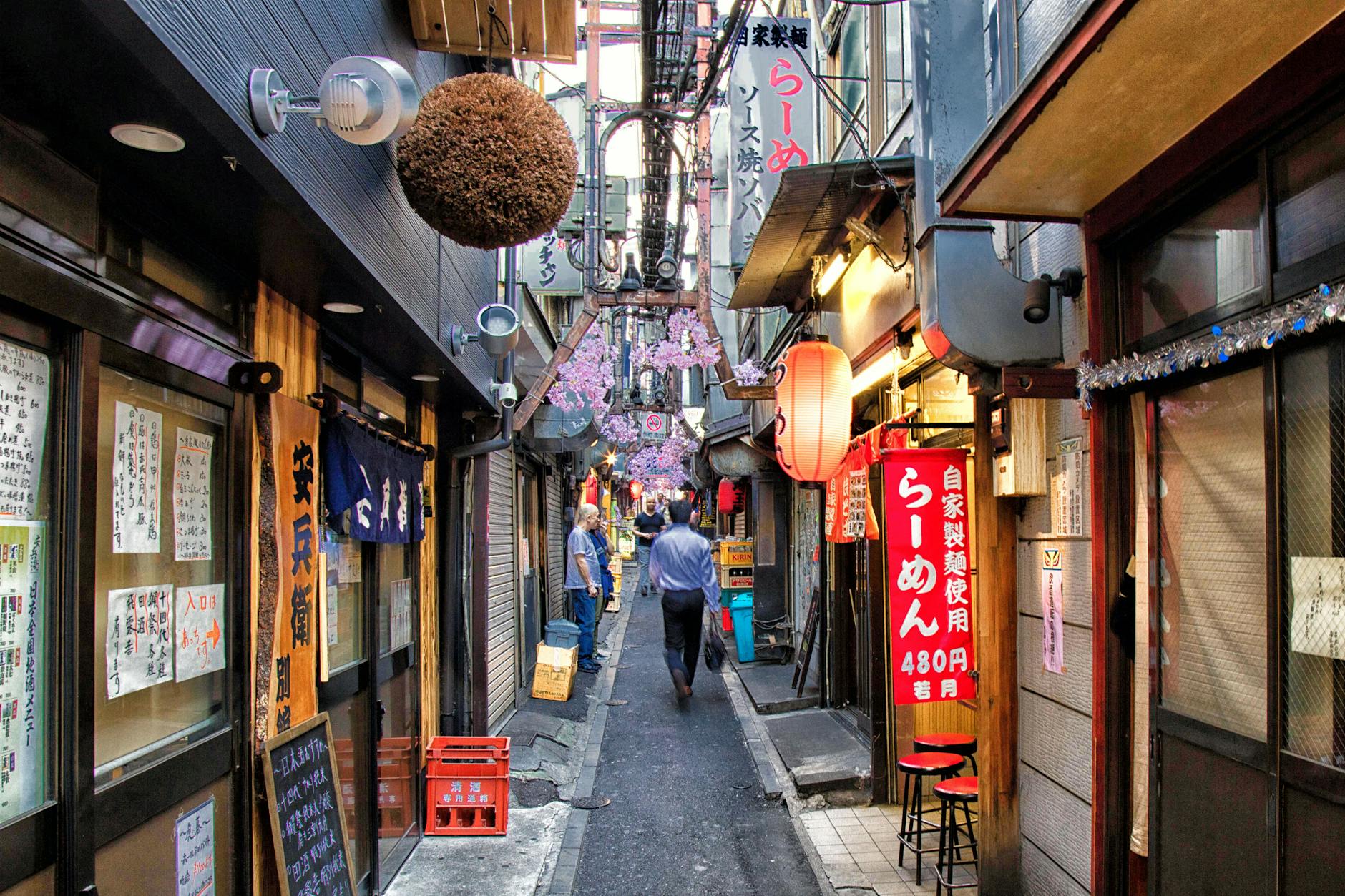
Omoide Yokocho (Memory Lane) is a narrow alley of tiny yakitori bars and izakayas near Shinjuku Station’s west exit — atmospheric, smoky, and the quintessential Tokyo eating experience. Nearby Kabukicho has evolved into a legitimate food destination with Korean BBQ, late-night ramen, and all-night dining. Golden Gai’s 200+ tiny bars often serve outstanding small plates alongside drinks.
Shibuya & Ebisu: Trendy Eats
Shibuya caters to younger crowds with trendy cafés, international fusion restaurants, and the excellent Shibuya Food Show depachika. Neighboring Ebisu is a local favorite for quieter, quality-focused dining — its yokocho (alley dining streets) offer everything from craft beer bars to tiny Italian restaurants run by Japanese chefs who trained in Rome.
Asakusa & Ueno: Traditional Flavors
The old-town neighborhood of Asakusa serves traditional Edo-era foods: tempura, unagi, and soba at shops that have operated for over a century. Nakamise-dori and the surrounding streets offer some of Tokyo’s best snacking — ningyo-yaki (custard-filled cakes), melon pan, and age-manju (fried sweet bean buns). The Ameyoko market near Ueno is another street food paradise with fresh seafood, dried goods, and vendors selling everything from chocolate to spices.
Tsukiji & Toyosu: Seafood Paradise
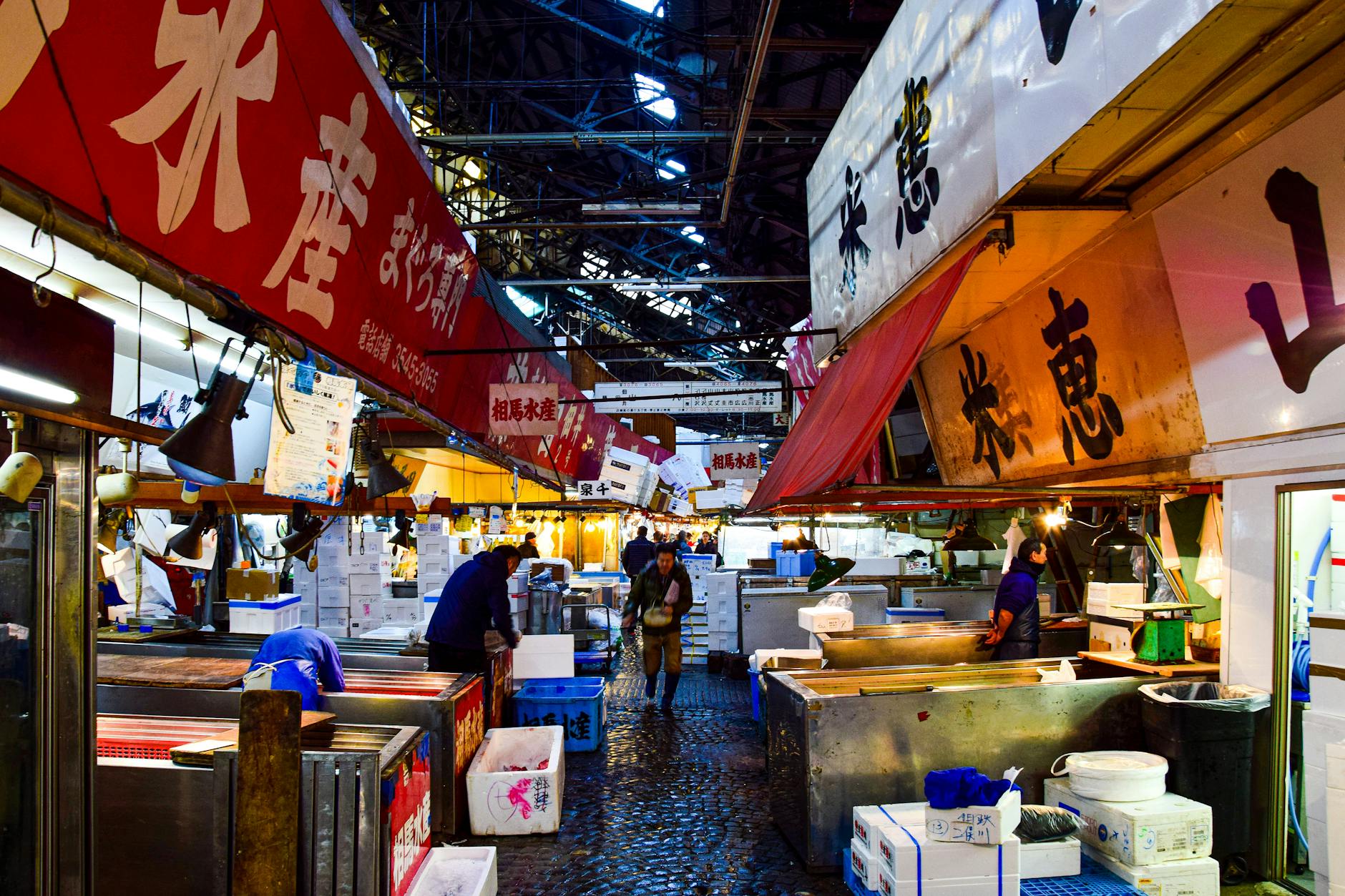
While the wholesale auction moved to Toyosu Market in 2018, Tsukiji Outer Market remains one of Tokyo’s top food destinations with over 400 shops and stalls. Come early morning for the freshest sushi, tamagoyaki (Japanese omelet), grilled scallops, and fresh oysters. At Toyosu, the inner market requires a reservation for the tuna auction viewing gallery, but the adjacent restaurant area is open to all visitors with no reservation needed. Budget ¥2,000–5,000 for a sushi breakfast at either market.
Shimokitazawa, Koenji & Yanaka: Local Gems
These residential neighborhoods are where Tokyo locals eat — away from tourist crowds and markup. Shimokitazawa has an excellent curry scene and hip cafés. Koenji’s backstreets are filled with izakayas charging half of Shinjuku prices. Yanaka’s shotengai (shopping street) serves traditional snacks and the neighborhood’s famous yanaka ginza croquettes.
Dining Experiences: From Street Food to Michelin Stars
Michelin Fine Dining
Tokyo’s 2026 Michelin Guide lists over 200 starred restaurants, including 12 three-star establishments. The 2026 edition added 18 newly starred restaurants, including Myojaku (3 stars, known for using pristine spring water in its cuisine) and four new two-star establishments. Notable trend: the guide awarded 13 Green Star designations for sustainability-focused restaurants. Budget ¥15,000–50,000+ per person for starred dining, though one-star lunch sets can start at ¥5,000–8,000.
Izakayas: The Japanese Pub Experience
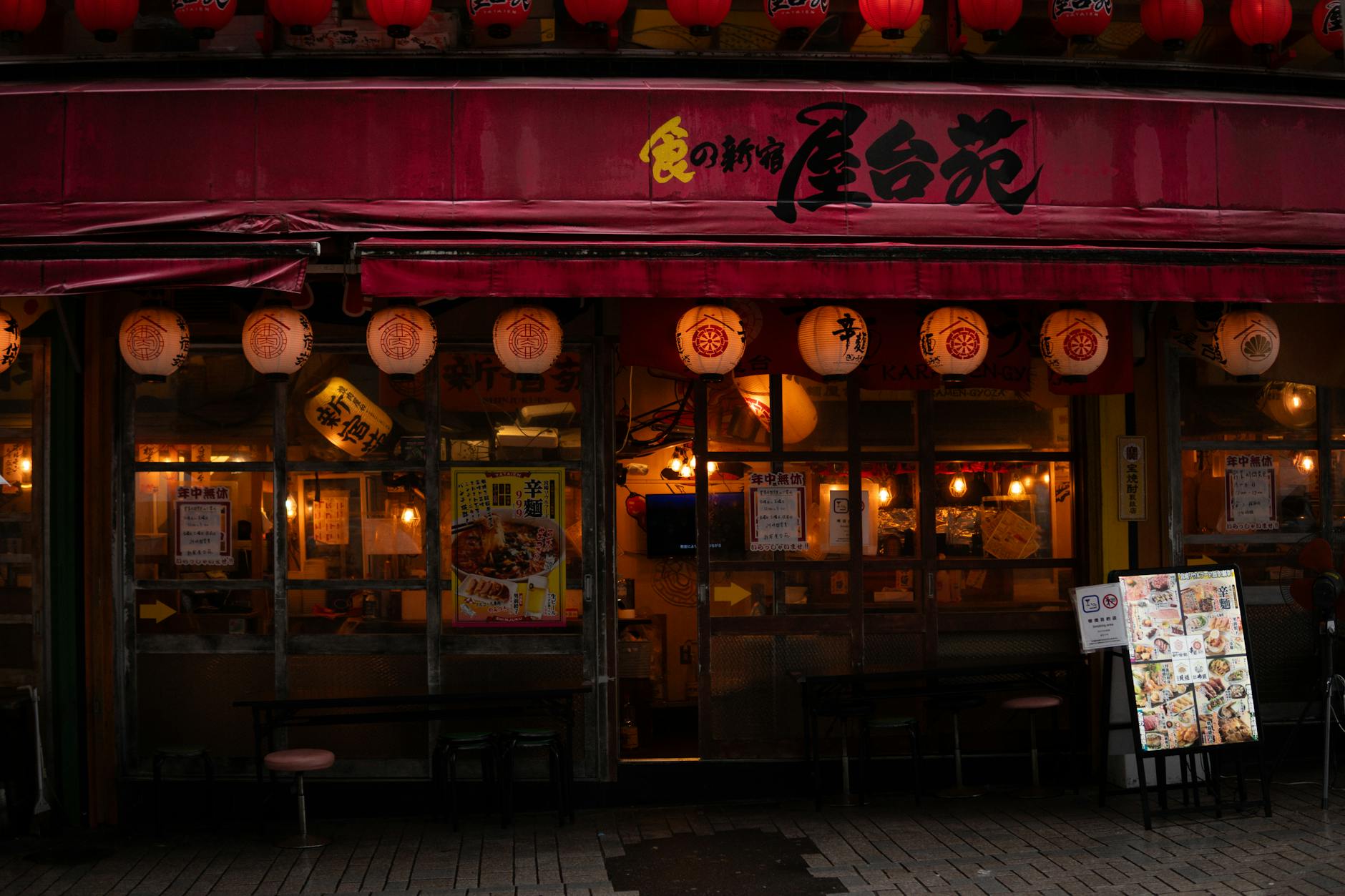
Izakayas are where ordinary Tokyoites eat and drink after work — and they should be a centerpiece of your Tokyo food experience. These casual pubs serve small shared plates (tsumami) alongside beer, sake, and highballs. Expect to pay ¥2,500–4,000 per person for food and several drinks. Many izakayas offer nomihodai (all-you-can-drink) plans for ¥1,500–2,500 for 90 minutes. Some top-quality izakayas also accept walk-ins, making them perfect for spontaneous evenings.
Street Food & Market Snacking
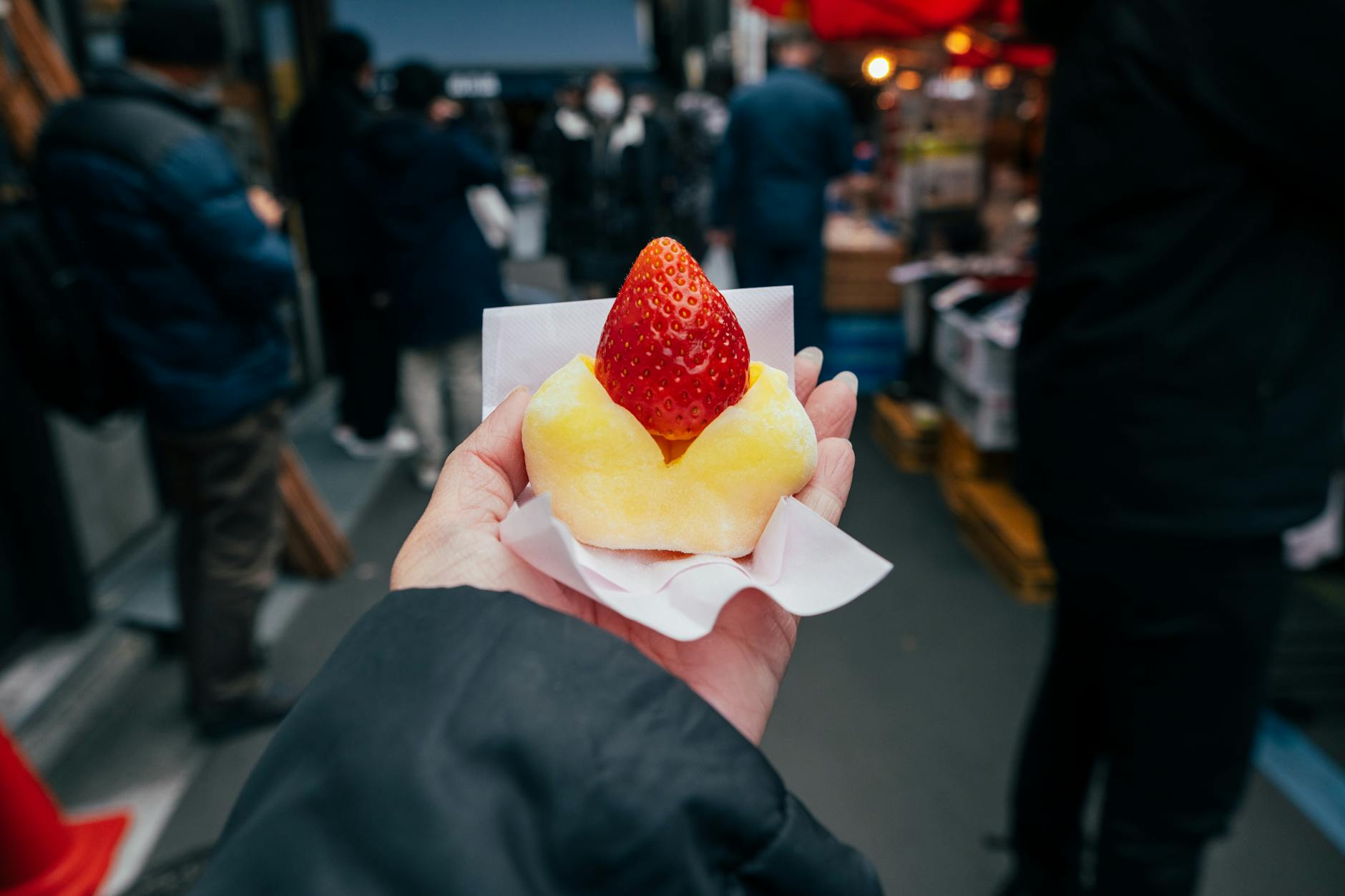
While Tokyo isn’t traditionally a street food city the way Bangkok or Taipei are, it has several excellent spots for eating on the go. Tsukiji Outer Market, Ameyoko in Ueno, Nakamise-dori in Asakusa, and festival stalls (yatai) during shrine events all offer fantastic snacking. Common street foods include takoyaki (octopus balls, ¥500–700), yakiimo (roasted sweet potato, ¥300–500), taiyaki (fish-shaped pastry with sweet filling, ¥200–300), and korokke (croquettes, ¥150–300).
Depachika: Underground Food Halls
The basement food floors of Japanese department stores — called depachika — are one of Tokyo’s best-kept food secrets. These immaculate halls showcase beautifully packaged bento boxes, pastries, wagashi, pickles, and premium prepared foods at prices that are surprisingly reasonable for the quality. Top depachika to visit: Isetan Shinjuku (B1), Mitsukoshi Ginza (B2–B3), Takashimaya Nihonbashi, and Tokyu Food Show Shibuya. Arrive 30 minutes before closing for significant markdowns on bento and prepared foods.
How to Book Restaurants in Tokyo: A Practical Guide
Booking popular restaurants in Tokyo can be surprisingly challenging for tourists. Here’s how to navigate the system.
Tabelog: Japan’s Essential Restaurant Review Platform
Tabelog (tabelog.com) is Japan’s equivalent of Yelp — but with far stricter ratings. A Tabelog score of 3.5 is considered excellent, and anything above 4.0 is extraordinary. The site has an English version, though the Japanese version has more reviews and listings. Use it to discover hidden gems that don’t appear on English-language travel blogs. Filter by neighborhood, cuisine type, and budget range for the most relevant results.
Reservation Strategies
For high-end restaurants and popular spots, reservations are essential. Many top Tokyo restaurants don’t accept walk-ins and some require booking weeks or months in advance. Options for tourists: (1) Ask your hotel concierge — high-end hotels have dedicated restaurant reservation desks. (2) Use online booking platforms like TableCheck, Omakase (omakase.in), or Pocket Concierge for English-language reservations. (3) For extremely popular restaurants, booking services like ByFood or Japan Wonder Travel can secure tables at places that don’t take direct foreign reservations. Note: cancellation policies are strict in Japan — no-shows are considered extremely disrespectful and may result in charges.
Seasonal Eating in Tokyo: What’s Fresh When
Japanese cuisine is deeply tied to the seasons (shun), and Tokyo’s restaurants showcase the freshest seasonal ingredients throughout the year. Eating seasonally is one of the best ways to experience Tokyo food at its peak.
Spring (March–May): Sakura-themed desserts and drinks, bamboo shoots (takenoko), strawberry season peaks, tai (sea bream) for celebratory meals, and fresh mountain vegetables (sansai). Cherry blossom viewing (hanami) picnics with bento boxes and sake are a quintessential spring food experience.
Summer (June–August): Unagi (eel) reaches peak season — look for Doyo no Ushi no Hi (eel day) in late July. Shaved ice (kakigori) at artisan shops, cold soba and cold ramen, edamame, and festival street food at matsuri throughout the city. Summer beer gardens open on rooftops across Tokyo.
Autumn (September–November): The most celebrated food season. Matsutake mushrooms, Pacific saury (sanma), sweet potatoes (satsumaimo), new-harvest rice (shinmai), and persimmons. Many kaiseki restaurants create special autumn tasting menus highlighting the season’s finest ingredients.
Winter (December–February): Hot pot season — shabu-shabu, sukiyaki, chanko nabe (sumo wrestler stew), and oden (simmered fishcake stew, available at convenience stores for ¥100–200 per piece). Premium crab, fugu (blowfish), and winter yellowtail (buri) are highlights. New Year’s osechi ryori (traditional celebratory dishes) are available at depachika in December.
Navigating Dietary Restrictions in Tokyo
Tokyo can be challenging for vegetarians, vegans, and those with dietary restrictions, but the situation has improved significantly in recent years.
Vegetarian & Vegan: Traditional Japanese cooking uses dashi (fish-based stock) extensively, making even seemingly vegetable dishes non-vegetarian. Your best options: shojin ryori (Buddhist temple cuisine, entirely plant-based), dedicated vegetarian restaurants (growing rapidly in Shibuya, Shimokitazawa, and Daikanyama), Indian restaurants (ubiquitous and reliable), and the Happy Cow app for finding vetted vegan-friendly spots. Always carry a dietary restriction card in Japanese — printed cards from Just Hungry or the ستیکت translation app make communicating allergies much easier.
Halal: Tokyo’s halal dining scene has expanded significantly for the growing Muslim tourist market. Asakusa, Shinjuku’s Shin-Okubo (Koreatown, which also has many halal options), and areas near major mosques have certified halal restaurants. The Halal Gourmet Japan app is essential for finding verified halal establishments.
Allergies: Japanese restaurants take allergies seriously but may not list all ingredients. Common allergens in Japanese cuisine include wheat (soy sauce), shellfish/fish, eggs, and buckwheat (soba). Carrying an allergy card in Japanese is strongly recommended. Many chain restaurants provide allergen charts on request.
Tokyo Dining Etiquette: What Every Visitor Should Know
Understanding basic dining etiquette shows respect and can enhance your dining experience in Tokyo.
Chopstick rules: Never stick chopsticks upright in rice (this resembles a funeral ritual), never pass food chopstick-to-chopstick, and don’t point with chopsticks. It’s perfectly acceptable to lift bowls of rice and soup to your mouth. Slurping noodles (ramen, soba, udon) is not just acceptable — it’s encouraged and considered a sign of enjoyment.
Reservation etiquette: Always honor your reservations. Last-minute cancellations and no-shows are taken very seriously in Japan. Many restaurants charge cancellation fees (typically 50–100% of the meal cost), and some high-end spots will blacklist no-show customers. If you must cancel, do so at least 24 hours in advance.
Payment: Many traditional restaurants and small eateries in Tokyo are still cash-only. While major chains and tourist-area restaurants accept credit cards, always carry ¥5,000–10,000 in cash for dining. Tipping is not practiced in Japan and can cause confusion — the price on the menu is the price you pay (though some upscale restaurants add a 10% service charge). Pay at the register near the exit, not at the table.
Useful phrases: Itadakimasu (said before eating, similar to ‘bon appétit’), gochisosama deshita (said after eating to express gratitude), oishii (delicious — chefs love hearing this), and okaikei onegaishimasu (check, please).
What’s New in 2026: Tokyo Food Trends & Updates
Tokyo’s food scene evolves constantly. Here are the most important developments for visitors in 2026.
Michelin Guide Tokyo 2026: The latest guide added 18 newly starred restaurants, including one new three-star (Myojaku) and four new two-stars (Nishiazabu Sushi Shin, Hakuun, Ensui, and others). The guide also introduced starred restaurants in new cuisine categories including Thai (KHAO) and Austrian (EWIG), reflecting Tokyo’s increasingly diverse fine dining landscape. Thirteen restaurants received Green Star designations for sustainability-focused practices — a growing trend worth following.
Fusion & Innovation: The boundaries between Japanese and international cuisine continue to blur. Sushi tacos, miso-infused pasta, and French-Japanese omakase concepts are increasingly common at mid-range restaurants. Wood-fire cooking and fermentation techniques have become major trends, with new restaurants specializing in open-flame cooking appearing throughout Shibuya and Daikanyama.
Fast-Casual Boom: Tokyo’s fast-casual dining segment has exploded in early 2026, driven by urban wage growth and demand for quality-convenient meals. Expect to find more gourmet-quality food at accessible prices and service speeds. Premium curry, specialty onigiri shops (the omusubi trend from 2025 continues strong), and artisan sandwich shops are particularly hot.
International Cuisines Growing: Beyond the traditional Italian, French, and Korean options, Tokyo is seeing expansion in Nepali, Mexican, Southeast Asian night market-style dining, and Middle Eastern cuisine. Shin-Okubo continues its transformation from Koreatown to a truly multicultural food district.
How Much Does Eating in Tokyo Cost? Complete Budget Breakdown
One of the biggest misconceptions about Tokyo is that it’s prohibitively expensive for food. In reality, you can eat extraordinarily well at every price point.
Budget tier (¥1,500–3,000/day): Convenience store onigiri and bento (¥150–600), standing soba (¥300–500), gyudon beef bowl chains (¥400–600), supermarket sushi and bento at closing-time discounts, and free tea/water at most restaurants. Tokyo’s convenience stores — 7-Eleven, Lawson, FamilyMart — sell surprisingly high-quality food including fresh sandwiches, fried chicken (karaage), and seasonal desserts.
Mid-range tier (¥3,000–8,000/day): Ramen lunch (¥900–1,200), tonkatsu set meal (¥1,500–2,500), mid-range sushi counter (¥3,000–5,000), izakaya dinner with drinks (¥2,500–4,000). This is the sweet spot where you experience the best of Tokyo’s food culture without breaking the bank.
Splurge tier (¥8,000–30,000+/day): Michelin-starred lunch sets (¥5,000–10,000), premium omakase sushi (¥15,000–50,000), kaiseki multi-course dinner (¥15,000–40,000), and wagyu teppanyaki (¥10,000–30,000). Even at this level, Tokyo’s fine dining is often 30–50% cheaper than equivalent quality in New York, London, or Paris.
Money-Saving Tips
Lunch over dinner: Many upscale restaurants serve lunch sets (ranchi) at 40–60% less than dinner prices for the same quality food. This is the single best way to experience high-end Tokyo dining affordably. Depachika at closing time: Arrive at department store food halls 30–60 minutes before closing (usually 8pm) for 20–50% discounts on premium bento, sushi, and prepared foods. Ticket machines: Restaurants with vending machine ordering (common at ramen shops, beef bowl chains, and curry houses) typically offer lower prices than table-service restaurants. Set meals: Teishoku (set meals with rice, soup, main, and sides) always offer better value than ordering à la carte.
Frequently Asked Questions
Do I need to speak Japanese to eat at restaurants in Tokyo?
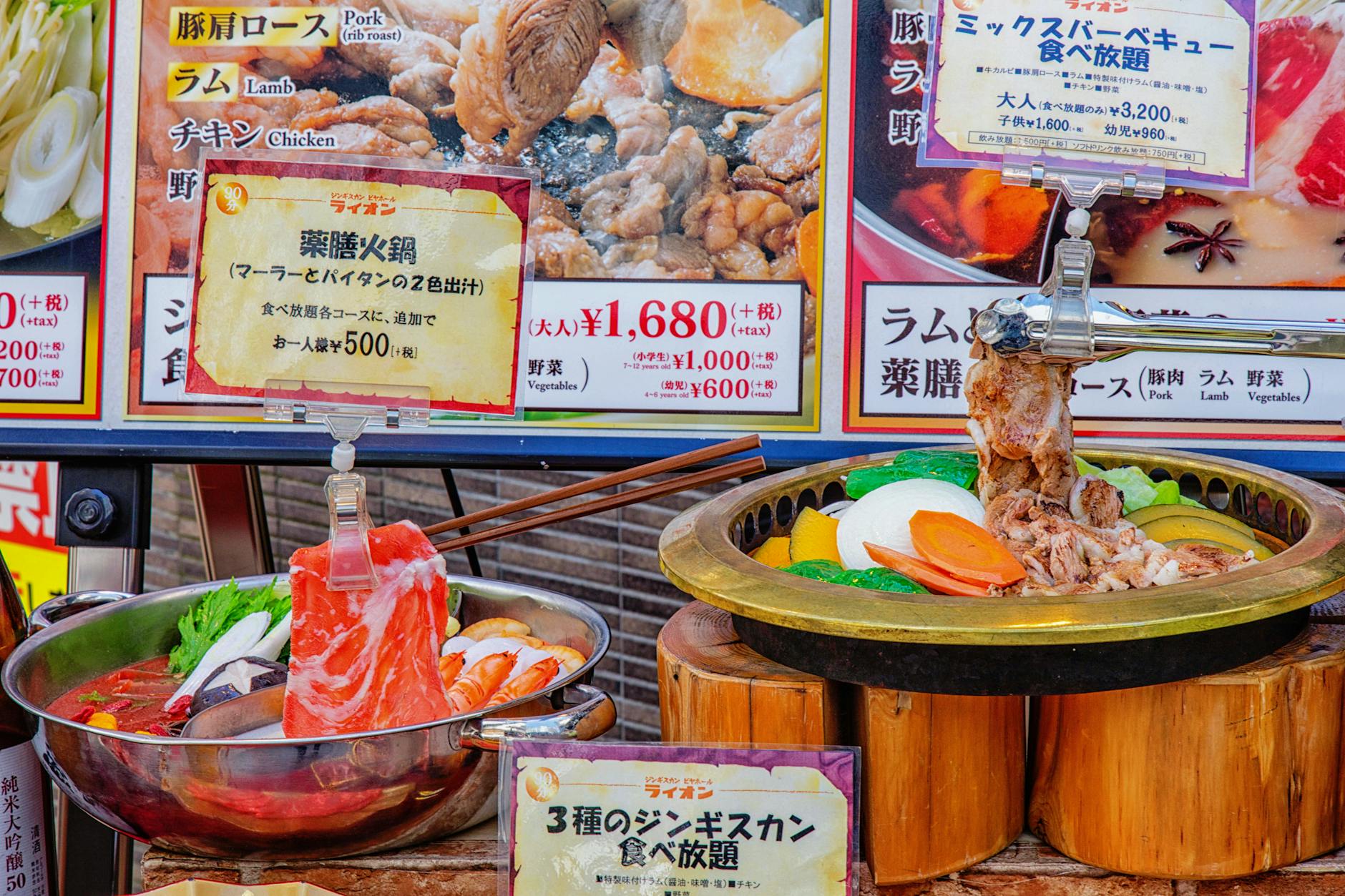
Not at all. Most restaurants in tourist areas have English menus or picture menus. For off-the-beaten-path spots, Google Translate’s camera function works well for reading Japanese menus. Point-and-order from display cases (sampuru — the realistic plastic food models outside restaurants) is perfectly acceptable and commonly expected.
Is it safe to eat raw fish in Tokyo?
Absolutely. Japan has among the strictest food safety standards in the world, and raw fish is handled with extreme care at every level. The supply chain from market to plate is highly regulated. In decades of modern food safety tracking, foodborne illness from sushi at established restaurants is extraordinarily rare.
Should I tip at restaurants?
No. Tipping is not practiced in Japan and can actually cause confusion or awkwardness. Service is included in the price. If you want to show appreciation, saying gochisosama deshita (thank you for the meal) sincerely is the best compliment you can give.
Can I drink the tap water in Tokyo?
Yes, tap water in Tokyo is safe and clean to drink. Restaurants serve complimentary water or tea with every meal. There’s no need to buy bottled water for dining.
What time do restaurants serve dinner in Tokyo?
Most restaurants open for dinner between 5:00–6:00 PM, with last orders typically at 9:00–10:00 PM. Izakayas often stay open until midnight or later. Some late-night ramen shops and chain restaurants (Yoshinoya, Matsuya, Sukiya) operate 24 hours. Note that many independent restaurants close between lunch and dinner (roughly 2:30–5:30 PM).
How do I find restaurants near my hotel?
Use Tabelog for comprehensive Japanese restaurant ratings, Google Maps for location-based searching with English reviews, and Gurunavi (English version available) for tourist-friendly listings. Instagram is also surprisingly useful — search location tags for the neighborhood you’re in to see what locals are eating.